

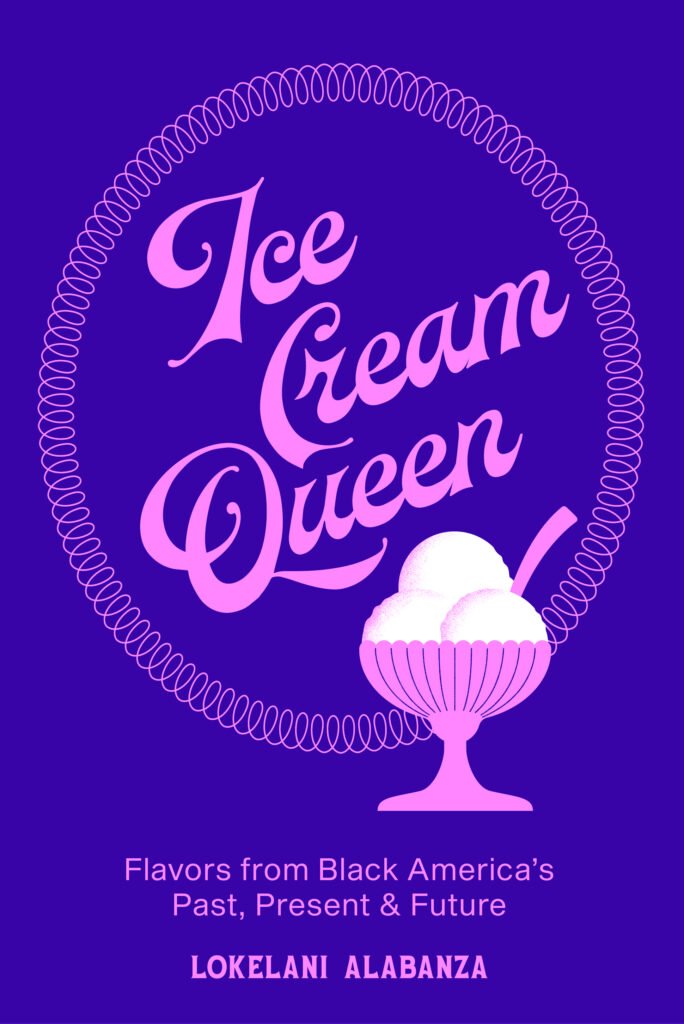
Isn’t ice cream one of the great pleasures of this world? I’ve never met a person who doesn’t love ice cream, have you? One day in early summer, Lokelani Alabanza—visiting from her home in Nashville—stopped by Wild Sorrel to sign copies of her new book, Ice Cream Queen. She and I hit it off immediately. We could have talked all afternoon about ice cream, our favorite flavors, our shared love of Elizabeth David, and the making of her remarkable book. The subtitle: Flavors from Black America’s Past, Present & Future tips readers off that this book is much more than just a collection of recipes. I brought a copy home that night and began to read about Loke’s journey as a chef.
She grew up in California with a love of ice cream inherited from her Tennessean grandmother. At age 18, a Eurail trip opened her eyes to ice cream of different cultures and to the power of books. Culinary school in Vermont followed, and formative years back on the West Coast working in the pastry departments of the Los Angeles restaurants Grace and Campanile. The way Loke tells it, it was a cross-country drive to a new job in Nashville, listening to an episode of the Southern Foodways Alliance’s Gravy podcast about Toni Tipton-Martin’s book The Jemima Code that opened her eyes to a history she hadn’t known, cracking things open in a new way.
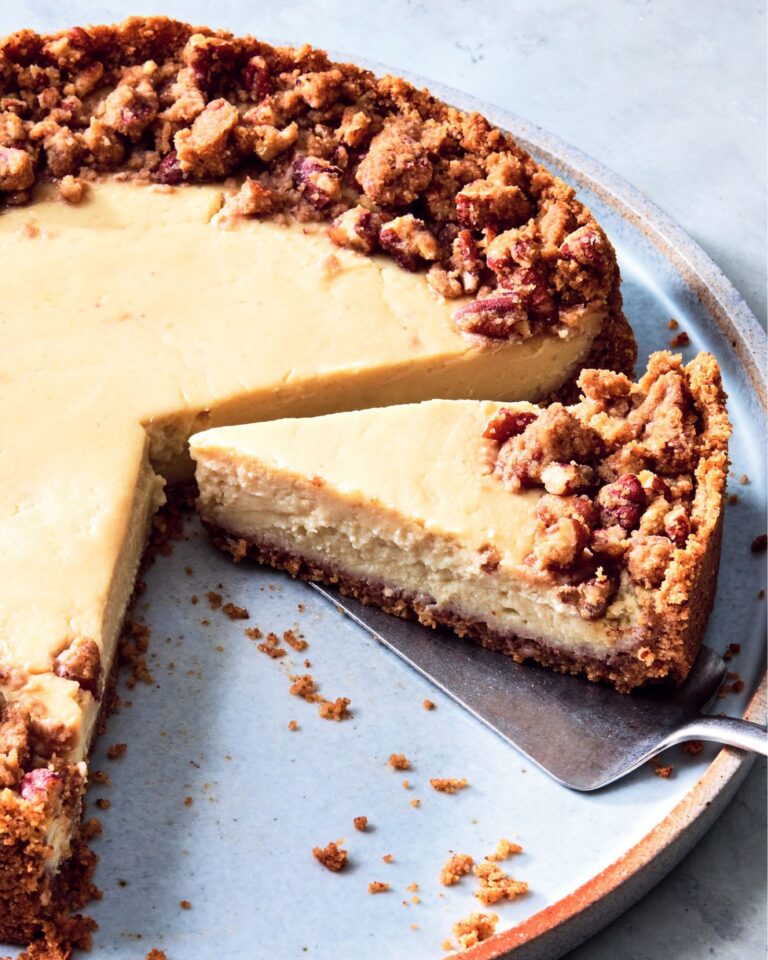
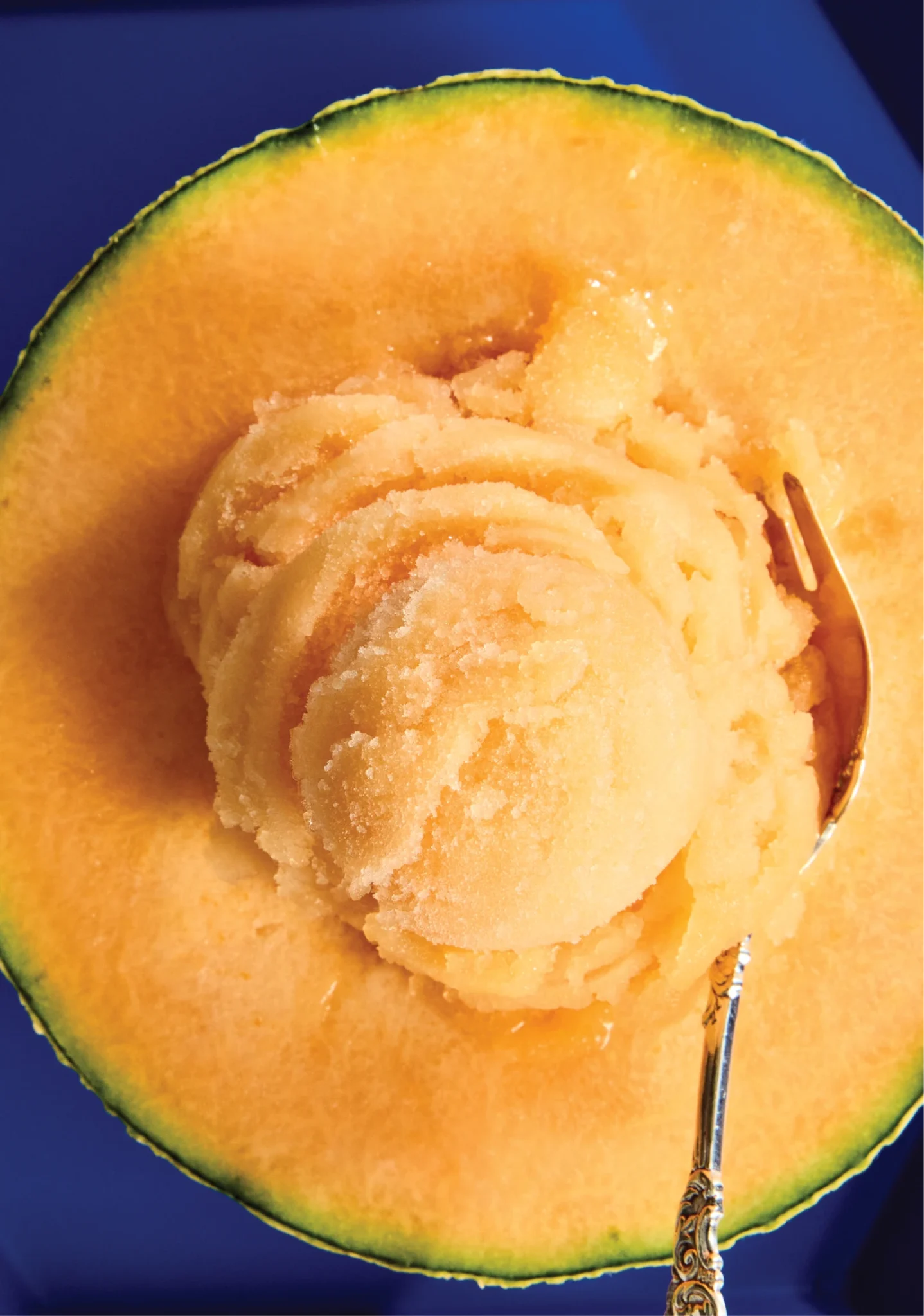
To know more—and to be truly astounded by the Black culinary history of ice cream and Loke’s own personal story—get yourself a copy of Ice Cream Queen. It is filled with recipes you’ll want to make with origin stories you’ll be fascinated and stunned to learn: Butter Pecan, Roasted Peach Cobbler, Buttermilk Plum, Butterscotch Oreo, Sarah Estelle’s Parmesan, The Mint Chip, and many fruit-driven sorbets like this recipe for Tuscan Cantaloupe Sorbet capturing the taste of high summer. Lokelani Alabanza is a master ice cream-maker, a teacher, a historian, and a great storyteller ~ run to your local bookstore and start reading, learning, and churning!
Ingredients
Method
- Put the cantaloupe in a blender and finely chop. Add 1⁄2 cup water and continue blending until smooth. Strain the mixture and measure out 6 cups juice (drink or freeze the rest). Pour the juice back into the blender, add another 11⁄2 cups water, the syrup, and the salt, and blend for 30 seconds.
- Pour the sorbet base into an ice cream machine and follow the manufacturer’s instructions to freeze until the mixture thickens, 20 to 30 minutes depending on your machine.
- Scoop the sorbet into a freezer-proof container. Cover with parchment paper or plastic wrap to prevent ice crystals from developing on the top of the sorbet and close with an airtight lid. Freeze for 4 to 6 hours or overnight before scooping.