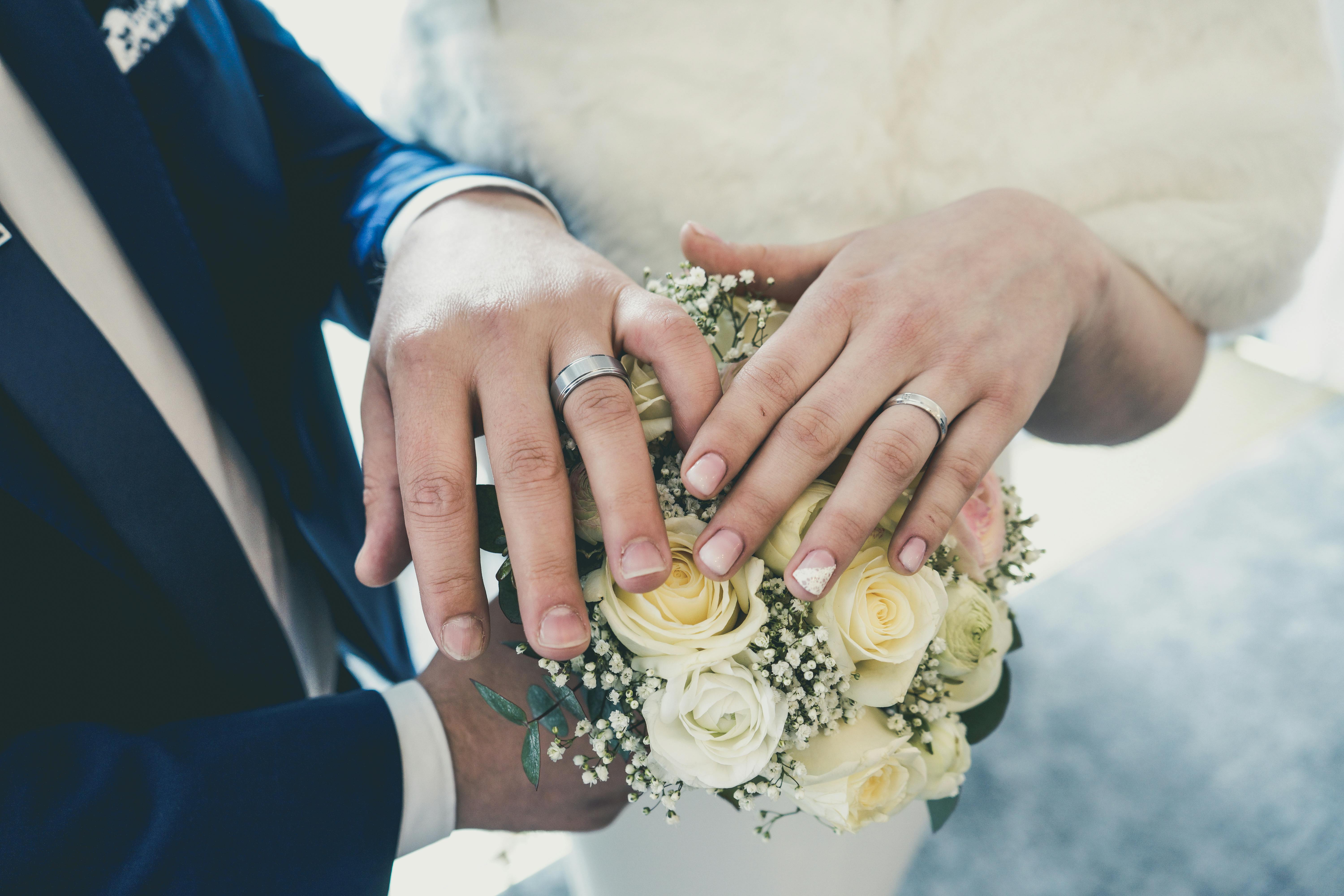


Choosing a wedding band is a personal decision because it is a piece of jewelry you will wear every day. The right band design should not only look beautiful but also match your lifestyle, comfort needs, and the story you want it to represent.
That said, many people struggle to find a band that feels right because standard designs might not reflect their preferences, lifestyle, or important memories. Others focus mainly on appearance and overlook important factors like metal durability, band thickness, and long-term maintenance.
A custom approach allows you to make choices based on your style, experiences, and practical needs. It also allows you to include details inspired by your shared experiences while considering how the band will fit into your daily life.
This article explains how to design a wedding band that combines meaningful details with practical design considerations.
1. Start With the Story Behind Your Relationship

A good place to start is by thinking about the moments that have shaped your relationship. Before choosing a metal or gemstone, consider the experiences you want your custom wedding bands to represent. Your engagement location, favorite vacation, family tradition, or shared hobby can all inspire your wedding band design.
For example, if you got engaged by the coast, you could add a subtle wave texture or an engraving of the location coordinates. If a family member passed down a piece of jewelry, you could incorporate the gemstone or a design element from that heirloom. These choices do not need to stand out immediately. They can be subtle details that add character while keeping the overall design refined.
Think about the moments that mean the most to both of you. Perhaps it is a yearly celebration, a common hobby, or a memory from the beginning of your relationship. These ideas can guide your design choices and will make it easier to select features with personal meaning instead of just what is in trend at the moment.
2. Choose Design Features That Reflect Your Style as a Couple
Once you have identified the inspiration behind your band, the next step is turning those ideas into design choices.
Consider how your personal styles work together and how you want your wedding bands to look when worn every day. Your lifestyle, clothing preferences, and daily routine can all influence decisions about metal, band width, shape, and finish.
Metal choice influences both the appearance and durability of your wedding band.
Platinum is a good choice for those who want a durable metal that can handle daily wear and develop a natural patina over time. Gold comes in yellow, white, and rose options, and each requires slightly different care depending on your lifestyle.
Your daily habits should also guide your choices. If you work with your hands, travel often, or spend time outdoors, a lower-profile design with a durable finish may be more practical.
Band width and thickness also play an important role in comfort. A wider band can create a bold look, but if you are not used to wearing bands, a slimmer design may feel easier for everyday use. A comfort-fit interior with a slightly rounded inside edge can also make the band smoother to wear throughout the day.
3. Include Meaningful Personal Touches

After choosing the foundation of your wedding band, consider the smaller details that make the design personal to your experiences. Engraving is one popular option, allowing you to add a wedding date, initials, a short phrase, or even a message written in your own handwriting.
Custom details can also come from your hobbies, traditions, or places that hold importance. Someone who loves hiking may choose a mountain-inspired pattern, while travelers may include coordinates from a favorite destination. A family tradition could inspire a recreated design from an older band or a gemstone that has been passed down through generations.
One detail many people overlook is how these additions can affect everyday wear. Exterior engravings and textures may require more maintenance, while interior engravings are better protected from regular contact. Hidden gemstones, symbols, and small design elements should be placed carefully so they add personality without affecting comfort or durability.
4. Create Wedding Bands That Complement Each Other
Your wedding bands do not need to look identical to complement each other. Instead, think about which elements you want to share and which features should reflect each person’s preferences. This allows both rings to feel connected while still showcasing each person’s personality.
For example, you may both choose platinum but select different finishes. One person might prefer a polished surface with a brighter shine, while the other may choose a brushed finish with a softer appearance. These choices create a coordinated look without making the bands identical.
It’s also important to consider how your wedding band pairs with your engagement ring.
Some designs may need a curved shape or a specific profile to sit properly beside the engagement ring. A custom-fit wedding band can be shaped to follow the curves of an engagement ring, reducing gaps and improving comfort. Checking the fit early helps prevent adjustments later and ensures both pieces work well together.
5. Work With a Custom Jeweler to Bring Your Vision to Life

Working with a custom jeweler can make the entire design process easier to navigate. Instead of figuring everything out on your own, you’ll have expert guidance on materials, finishes, band proportions, and other design details that fit both your vision and your lifestyle.
As your ideas come together, you’ll usually have the opportunity to review sketches or CAD models before the ring is made. Seeing the design in advance makes it easier to adjust details like band width, stone placement, engraving size, or the overall shape, giving you more confidence in your final decisions.
A custom jeweler can also help you think beyond appearance by recommending features that improve comfort and durability for everyday wear. Details like a comfort-fit interior, secure stone settings, proper sizing, and durable finishes all contribute to a band you’ll enjoy wearing for years to come.
Conclusion
Designing a custom wedding band requires more than choosing a style you like. The best results come from considering your daily routine, preferred materials, comfort needs, and the details that matter most to you.
Take time to explore different options and understand how each choice affects the final band. A thoughtful design process helps you create a wedding band that fits your lifestyle while reflecting the choices that make it yours.
By focusing on both craftsmanship and practicality, you can choose a band that remains comfortable, durable, and suitable for everyday wear.