


Why the Google Earth Day Quiz Is More Than Just Fun
The google earth day quiz is an interactive Google Doodle that appears on the search engine’s homepage each Earth Day (April 22nd). Here’s what you need to know:
What It Is:
- A personality quiz or game that determines which animal you are
- An interactive experience accessible directly from Google’s homepage
- A tool to raise environmental awareness in a fun, engaging way
How to Access:
- Visit Google.com on Earth Day (April 22nd)
- Click on the interactive Doodle on the homepage
- Answer a series of personality questions
- Get your animal result and learn about it
Why It Matters:
- Raises awareness about endangered species and ecosystems
- Makes environmental education accessible and entertaining
- Connects millions of users to Earth Day’s mission
For 25 years, Google has been answering your questions. On Earth Day, they flip the script with questions for you. The quiz started in 2015 as a simple “Which animal are you?” personality test, featuring creatures like the mantis shrimp, pangolin, and honey badger. Since then, it’s evolved into various formats—from pollination games to interactive storytelling experiences.
You don’t need to be an environmental expert to participate. The quiz is designed for everyone, whether you’re a sustainability champion or just finding what Earth Day means. It takes less than two minutes and requires no login or personal information.
Google has partnered with organizations like The Honeybee Conservancy to create these experiences, changing a simple web search into a moment of environmental connection. In 2015 alone, the quiz reached millions of users who finded they were everything from a woolly mammoth to coral (yes, coral is an animal!).
What Is the Google Earth Day Quiz and How Does It Work?
The google earth day quiz is more than just a fleeting online distraction; it’s an annual tradition that Google uses to mark Earth Day and engage millions of users in environmental awareness. At its core, the quiz is an interactive game, often appearing as a special Google Doodle directly on the search engine’s homepage every April 22nd. Its primary purpose is to educate and entertain, making complex environmental topics accessible through a simple, engaging format.
Historically, the quiz has taken various forms, but one of the most popular is the personality quiz. Users answer a series of lighthearted questions about their preferences or behaviors, and based on their responses, they are assigned an “animal persona.” For instance, you might be asked: “What are you up to on a typical Friday night?” with options like “Alone in my burrow,” “Rarely seen out,” or “Strutting my stuff.” Other questions might dig into your reaction if you and your best friend show up to a party wearing the same outfit, your snack preferences (seafood, fruit/insects, meat, salad), or what you look for in a partner. These questions are designed to be fun and relatable, leading to a surprisingly insightful (and often humorous) animal match.
Beyond personality quizzes, Google has also offered trivia-style questions that test your knowledge about the Earth’s ecosystems, conservation efforts, and environmental facts. Regardless of the format, the quiz is designed to provide instant feedback, often accompanied by interesting facts about the animal you embody or the environmental topic at hand. It’s a simple, effective way to spark curiosity and encourage users to learn more about our planet.
Finding and Taking the Quiz on April 22nd
Accessing the google earth day quiz is incredibly straightforward, designed to be as user-friendly as possible for anyone visiting Google’s homepage on Earth Day.
On April 22nd, when you steer to Google.com, you’ll typically find an interactive Google Doodle prominently displayed where the standard Google logo usually sits. This Doodle is your gateway to the quiz. All you need to do is click on it.
If, for any reason, the Doodle isn’t immediately visible or you miss it, you can also often find the quiz by simply typing “Earth Day quiz” into the Google search bar. The interactive quiz will usually appear at the top of the search results, or a direct link to the Doodle will be provided.
The beauty of this experience is its accessibility: there’s no need to create an account, log in, or provide any personal information. It’s a quick, anonymous, and free way to engage with Earth Day. The entire process, from clicking the Doodle to getting your results, usually takes less than two minutes, making it a perfect short break activity that offers a dash of environmental education.
Understanding Your Results and Sharing the Fun
Once you’ve completed the google earth day quiz, the real fun begins! You’ll be presented with your assigned animal persona, along with a brief, often witty, description of why that animal matches your personality. For example, if you’re a mantis shrimp, you might be described as “Mysterious and beautiful, you’re not afraid to use your powerful claws to attack, stun, and dismember prey.” If you’re a honey badger, your true friends know they can always call on you to scare away lions or fight a king cobra. These descriptions are not just entertaining; they often weave in fascinating environmental facts about the animal, subtly educating you about biodiversity and unique species.
The interactive nature of the quiz encourages sharing. Google typically provides easy options to share your results on social media platforms like Facebook. You’ll often see hashtags like #GoogleDoodle or #EarthDayQuiz trending, as millions of users find their inner animal and share it with friends and family. This social sharing isn’t just for bragging rights; it’s a powerful mechanism for raising awareness. Each share expands the reach of the Earth Day message, prompting more people to take the quiz, learn about environmental issues, and perhaps even spark a conversation about conservation. It transforms a simple online game into a global, collective moment of environmental engagement.
The Evolution of Google’s Earth Day Celebration
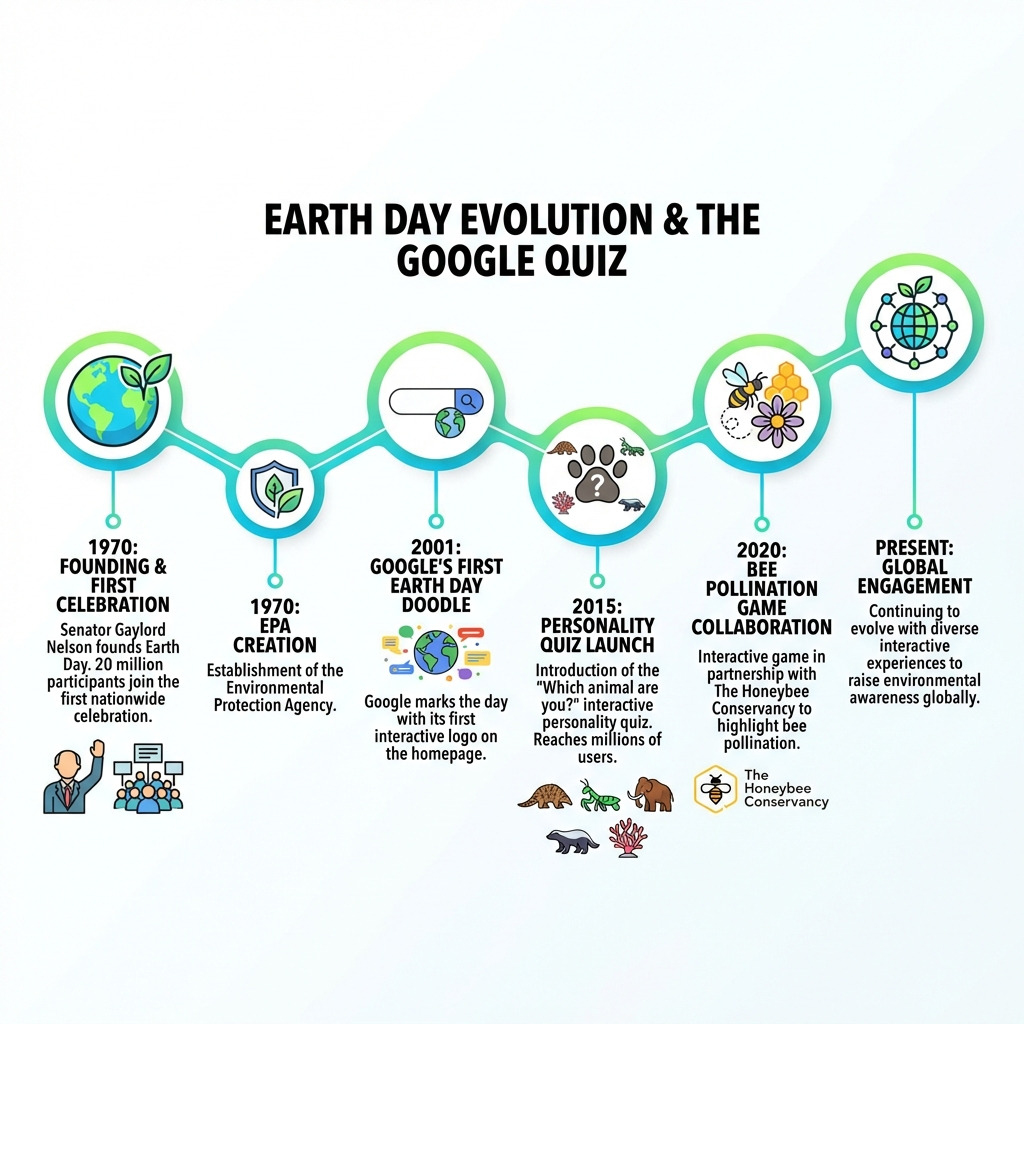
Google’s commitment to Earth Day has deepened significantly since its first appearance on the search engine’s homepage. What began as static imagery has blossomed into rich, interactive experiences, with the google earth day quiz being a prime example of this evolution.
Google introduced its first Earth Day Doodle in 2001, a relatively simple graphic marking the occasion. Over the years, these Doodles became more elaborate, incorporating animations and eventually leading to fully interactive games. The launch of the personality quiz format in 2015 marked a significant turning point, engaging users in a new, more personal way. In 2020, Google collaborated with The Honeybee Conservancy to create an interactive bee pollination game, highlighting the critical role of bees in our ecosystem. Beyond the quizzes, Google also leverages its Google Earth platform to tell compelling stories about our planet, offering guided tours and data visualizations that explore environmental, cultural, and social issues. This continuous innovation reflects Google’s desire to make environmental education accessible and impactful.
From Simple Doodles to Interactive Games
The journey of Google’s Earth Day Doodles showcases a fascinating progression from static designs to highly engaging, gamified educational tools. Early Doodles, while visually appealing, were primarily celebratory images. However, as technology advanced and Google’s “Doodler” team grew, so too did the complexity and interactivity of these special logos.
The shift towards interactive games and quizzes, like the google earth day quiz, was a strategic move to deepen user engagement. Instead of merely observing, users could now actively participate, answer questions, or play mini-games directly on the Google homepage. This gamification of environmental topics helps to simplify complex issues, making them less daunting and more approachable for a broad audience. The goal is to not only inform but also to inspire curiosity and a personal connection to the planet. By making learning fun, Google encourages millions to spend a few minutes thinking about Earth Day’s message, often without even realizing they’re being educated. These interactive experiences serve as powerful, bite-sized lessons in environmental stewardship, leveraging the immense reach of the Google platform.
Notable Examples of the google earth day quiz
Over the years, the google earth day quiz has featured a diverse and often surprising cast of creatures, inviting us to find our inner animal. The “Which animal are you?” personality quiz, first launched in 2015, became particularly iconic. Users could find themselves matching with a variety of fascinating species, each with unique characteristics and environmental significance.
Some of the animals that have been prominently featured in these quizzes include:
- Komodo Dragon: Known for its formidable size and appetite, capable of swallowing an entire goat.
- Whooping Crane: A symbol of resilience, often rebounding from the brink of extinction and known for mating for life.
- Red-capped Manakin: A vibrant bird that loves to dance to attract mates.
- Woolly Mammoth: A unique, extinct creature that scientists hope to clone someday.
- Sea Otter: Famous for holding hands while napping to avoid floating away.
- Ratel (Honey Badger): Fierce and fearless, known for confronting lions and king cobras.
- Pangolins: Practical and shy, curling into a ball to thwart predators.
- Giant Squid: Mysterious deep-sea dwellers with massive tentacles.
- Cuttlefishes: Masters of camouflage with an impressive brain-to-body ratio.
- Honey Bees: Hard workers essential for pollination, as highlighted in the 2020 interactive game, which allowed users to guide a bee to pollinate flowers while learning fun facts about their importance.
- Mantis Shrimps: Beautiful and powerful, with claws that can stun prey.
- Sea Anemones/Corals: Often a surprising result, reminding users that these hidden beauties are indeed animals, attracting many suitors.
Each of these animals provides a window into the incredible biodiversity of our planet, and the quiz uses their unique traits to connect with human personalities, fostering a personal connection to the natural world.
The Purpose Behind the Planet: Why the Quiz Matters
The google earth day quiz is more than just a playful annual event; it serves a crucial purpose in the broader mission of Earth Day. At its heart, Earth Day, first celebrated on April 22, 1970, aims to raise awareness about environmental protection and the myriad issues facing our planet. From the pervasive threat of climate change and plastic pollution to the alarming loss of biodiversity and rampant deforestation, these quizzes subtly introduce users to the gravity of these concerns.
The quiz, along with other Google Earth Day initiatives, acts as a digital touchpoint, reminding millions globally about the fragility of our ecosystems and the urgent need for conservation. It’s a call to action, framed in an engaging way, designed to spark curiosity and encourage further learning and participation in environmental stewardship. By highlighting specific species and their roles, or by asking trivia questions about environmental facts, the quiz contributes to a collective understanding of our planet’s interconnected challenges.
Connecting Fun with Serious Environmental Issues
One of the most ingenious aspects of the google earth day quiz is its ability to bridge the gap between lighthearted entertainment and serious environmental concerns. We know that issues like climate change or species extinction can feel overwhelming, but Google’s approach simplifies these complex topics, making them digestible and even enjoyable. By answering a few personality questions or playing a short game, users are gently introduced to the importance of biodiversity, the critical role of pollinators like bees, or the impact of human actions on various ecosystems.
This method of “gamified education” is incredibly effective at engaging users who might not otherwise seek out environmental information. It sparks curiosity, leading many to search for more details about their assigned animal or the environmental facts presented. Google has often partnered with reputable environmental organizations, such as The Honeybee Conservancy or the Jane Goodall Institute, to develop these Doodles. In 2015, Google.org even matched donations to several animal-loving organizations, amplifying the impact of the quiz beyond mere awareness to tangible support. These collaborations ensure that the content is accurate and that the call to action, however subtle, is directed towards impactful conservation efforts.
How Taking the google earth day quiz Boosts Awareness
Taking the google earth day quiz might seem like a small act, but its cumulative effect on environmental awareness is significant. Firstly, it provides educational value. Each quiz result or trivia answer is an opportunity to learn a new fact about an animal, an ecosystem, or an environmental challenge. This bite-sized learning can be a powerful catalyst for deeper engagement. For example, learning you’re a pangolin might prompt you to research why these unique creatures are endangered.
Secondly, the shareable nature of the quiz helps in spreading information organically. When friends share their animal results on social media, it starts conversations and encourages others to take the quiz, creating a ripple effect of awareness. This personal connection to nature, even through a digital avatar, can foster a sense of responsibility and empathy for the environment. It makes abstract environmental problems feel more relatable and immediate.
The quiz contributes to environmental awareness by making the topic approachable, memorable, and interactive. It’s a simple, first step that can lead to greater understanding, more informed discussions, and hopefully, more proactive participation in environmental protection efforts, both locally and globally.
Get Involved: More Ways to Celebrate Earth Day in NYC

While taking the google earth day quiz is a fantastic way to engage with environmental awareness from your couch, Earth Day truly comes alive through individual and community action. For those of us in the New York City area, including Manhattan, Brooklyn, Hudson Valley, Westchester, New Paltz, and the Catskills, there are countless ways to make a tangible difference, connecting with our local environment and supporting sustainable practices.
Our regions, with their mix of urban landscapes and rich agricultural lands, offer unique opportunities for participation. Community cleanups are often organized in local parks, along riverfronts, or in neighborhood green spaces. Planting trees, whether through organized events or in your own backyard, contributes to local biodiversity and air quality. Creating pollinator gardens, even small ones on fire escapes or balconies, can provide vital habitats for bees and other insects, a critical issue highlighted by Google’s 2020 Earth Day Doodle in collaboration with The Honeybee Conservancy. Supporting local food systems, a core value of Edible Manhattan, is also a powerful way to celebrate Earth Day. This means visiting farmers’ markets, joining a CSA, or dining at restaurants that prioritize local, seasonal ingredients, reducing food miles and supporting sustainable agriculture.
Local Actions with a Global Impact
Every small, local action we take can collectively contribute to a healthier planet. Here in our vibrant communities, we have specific opportunities to make a difference:
- Visit a Farmers’ Market: From the busy Union Square Greenmarket in Manhattan to local markets in the Hudson Valley and Catskills, supporting our regional farmers reduces the carbon footprint associated with food transportation and encourages sustainable farming practices.
- Compost Food Scraps: Many NYC boroughs and surrounding areas have community composting sites or curbside collection programs. Composting diverts organic waste from landfills, reducing methane emissions and creating nutrient-rich soil for local gardens.
- Reduce Single-Use Plastics: This is a challenge everywhere, but in our densely populated areas, the impact of plastic waste is particularly visible. Carry reusable bags, water bottles, and coffee cups. Support businesses that minimize plastic packaging.
- Support Sustainable Restaurants and Bakeries: As Edible Manhattan, we champion establishments that prioritize locally sourced, seasonal, and ethically produced ingredients. By choosing these businesses, you’re voting with your dollar for a more sustainable food system. Look for bakeries that source ingredients from local farms, reducing their environmental impact and strengthening our regional food economy.
- Create a Bee-Friendly Space: Even a small pot of native, pollen-producing plants on a windowsill in Brooklyn or a dedicated pollinator garden in Westchester can make a difference for local bee populations, which are vital for our food supply. You can even create a simple bee bath with a shallow dish and some stones.
- Participate in Local Cleanups: Organizations across our regions frequently host cleanups for parks, beaches, and waterways. Lending a hand helps keep our shared spaces healthy and beautiful.
By focusing on these local actions, we can celebrate Earth Day not just once a year, but every day, contributing to the well-being of our communities and the planet.
Frequently Asked Questions about Earth Day and Its Quizzes
We often get questions about Earth Day itself and the popular quizzes Google creates. Here are some of the most common inquiries, answered with insights from the history and purpose of this global celebration.
Who founded Earth Day and what is its historical significance?
Earth Day was founded by U.S. Senator Gaylord Nelson, a junior senator from Wisconsin, who was deeply concerned about the deteriorating environment in the United States. He envisioned a large-scale, grassroots environmental teach-in. The first Earth Day was celebrated on April 22, 1970, mobilizing an astonishing 20 million Americans—roughly 10% of the U.S. population at the time. This massive demonstration of public concern helped to usher in a new era of environmental policy.
The historical significance of Earth Day cannot be overstated. It is widely credited with catalyzing the modern environmental movement and leading to the creation of the United States Environmental Protection Agency (EPA) later that year. It also spurred the passage of landmark environmental laws such as the Clean Air Act, the Clean Water Act, and the Endangered Species Act. Earth Day transformed public discourse, shifting environmental concerns from a fringe issue to a mainstream national priority. Today, it is celebrated globally, with over 193 countries participating in activities to raise awareness and promote action for environmental protection. You can learn more about the history of Earth Day on the official Earth Day website.
What kinds of questions and themes are in the quizzes?
The questions and themes in the google earth day quiz and other Earth Day quizzes are designed to be both engaging and educational, covering a broad spectrum of environmental topics.
In the Google personality quizzes, questions are often lighthearted and introspective, aiming to match your traits with an animal. These might include:
- “What are you up to on a typical Friday night?”
- “You and your best friend show up to a party wearing the same outfit. What’s your reaction?”
- “Choose a snack:” (e.g., seafood, fruit, meat, salad)
- “What do you look for in a partner?”
- “Choose a hobby:”
Beyond the personality-based questions, Earth Day quizzes, including those found on the official Earth Day website, dig into more direct environmental knowledge. Common themes and topics include:
- Climate Change: Questions about greenhouse gases, renewable energy, and global warming.
- Plastic Pollution: Focusing on the impact of plastics, recycling, and sustainable alternatives.
- Biodiversity and Species Protection: Highlighting endangered species, the importance of ecosystems, and the role of pollinators like bees.
- Conservation and Restoration: Covering topics like deforestation, water conservation, and sustainable living practices.
- Environmental Literacy: General knowledge questions about Earth Day’s history, purpose, and key figures.
These quizzes serve to test your knowledge while also educating you about pressing environmental issues, encouraging a deeper understanding of our planet’s challenges and solutions. You can explore more quizzes on the official Earth Day website to test your knowledge on specific topics like climate change, plastic, or bees.
What are some of the unique animals featured in the quiz?
The google earth day quiz has delighted users by featuring a fascinating array of animals, often highlighting creatures that are either unique, endangered, or play a crucial role in their ecosystems. Some of the most memorable and unique animals that have appeared in the quiz results include:
- Komodo Dragon: The world’s largest living lizard, native to Indonesian islands. Its formidable presence makes for a striking quiz result.
- Giant Squid: An elusive deep-sea creature of immense size, inspiring awe and mystery.
- Cuttlefish: Masters of camouflage and intelligent marine mollusks, known for their ability to change color and texture.
- Woolly Mammoth: A prehistoric icon, now extinct, whose presence in the quiz often comes with a humorous note about potential cloning.
- Sea Otter: Adorable marine mammals known for their playful behavior and critical role in maintaining kelp forest ecosystems.
- Red-capped Manakin: A small, vibrant bird native to Central and South America, famous for its elaborate “moonwalk” dance during courtship.
- Mantis Shrimp: Known for their incredibly powerful punch and stunning array of colors.
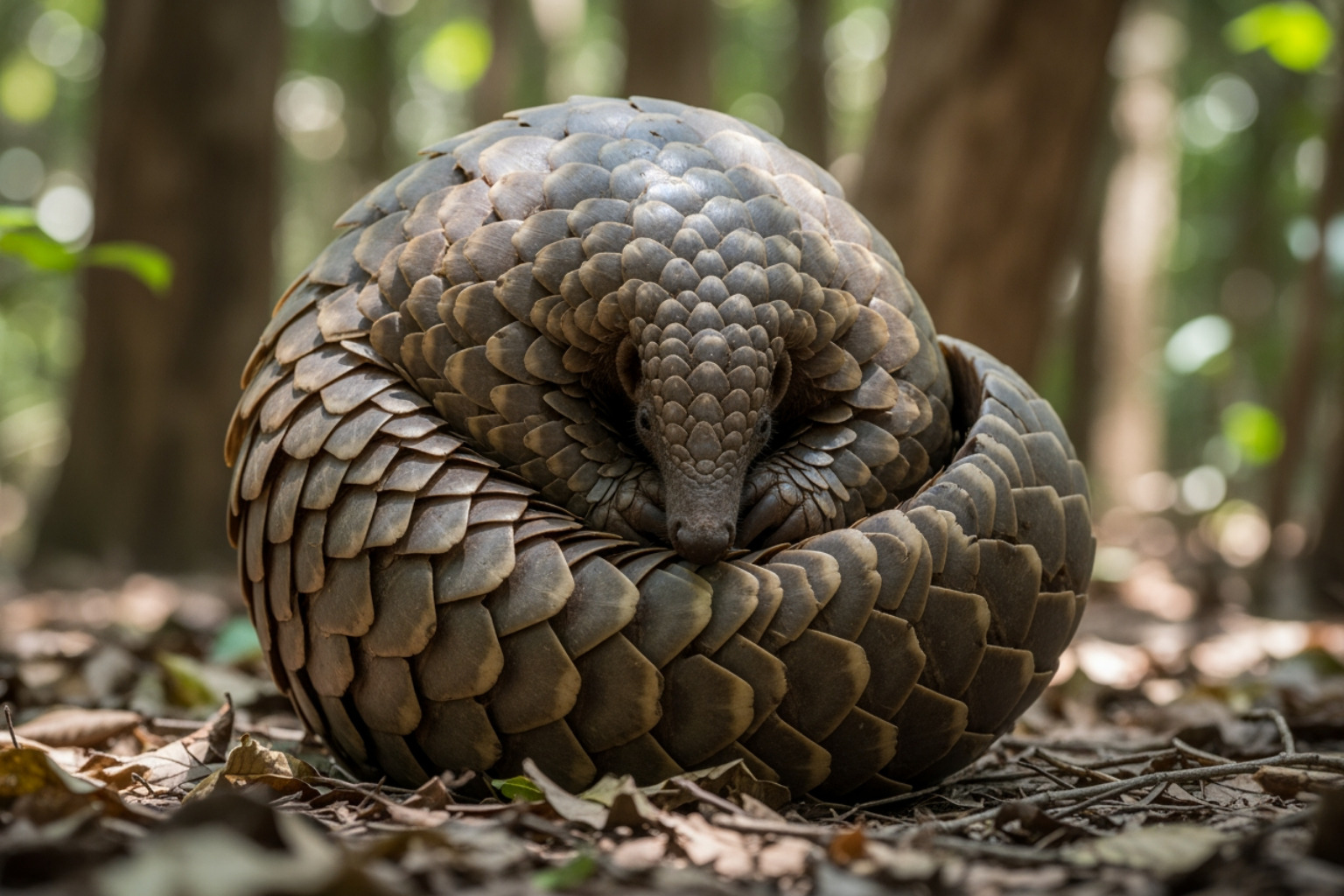
- Pangolin: A shy, scaly mammal that rolls into a ball when threatened, sadly the world’s most trafficked mammal.
- Honey Badger (Ratel): A notoriously fearless and tenacious animal, unafraid to confront much larger predators.
- Whooping Crane: North America’s tallest bird, an endangered species whose conservation efforts represent a guide of hope.
- Honey Bee: Crucial pollinators, highlighted in the interactive game where users guide a bee to pollinate flowers.
- Coral/Sea Anemone: Often a surprising result, emphasizing that these beautiful, seemingly plant-like structures are actually animals, forming vital marine habitats.
Each of these animals not only provides a fun personality match but also offers a subtle lesson in the incredible diversity and wonder of the natural world, reinforcing the importance of Earth Day’s mission.
Conclusion
The google earth day quiz is a brilliant example of how technology can make environmental education both accessible and enjoyable. What began as a simple Doodle has evolved into an annual, interactive tradition that engages millions in learning about our planet’s incredible biodiversity and the critical challenges it faces. It’s a fun, quick way to connect with the spirit of Earth Day, whether you find your inner Mantis Shrimp or learn about the vital role of Honey Bees.
The quiz serves as a simple, yet powerful, first step towards greater environmental awareness. It sparks curiosity, encourages conversation, and reminds us all of our shared responsibility to protect our world. As Edible Manhattan, we believe that environmental stewardship is deeply intertwined with our local food systems and communities. Supporting local producers, reducing waste, and engaging in sustainable practices are all ways we can celebrate Earth Day, every day.
So, next time April 22nd rolls around, take a moment to engage with the google earth day quiz. And as you consider how to make a difference, remember the impact of local choices. For your next celebration or simply a delicious treat, consider supporting local businesses that prioritize sustainability.
Find local NYC bakeries sourcing sustainable ingredients for your next celebration
