


Shilajit sits in an awkward regulatory gap. It is sold as a dietary supplement, yet it is a raw geological material that can carry heavy metals straight from the ground, and no agency pre-approves what ends up in the jar. In that kind of market, a brand’s testing documentation is not a nice-to-have; it is the only real guardrail a buyer has.
So this ranking ignores packaging and origin stories and scores four resins on a single axis: how thoroughly and openly they prove their purity. The Pürblack Shilajit Live Resin sets the benchmark, and the methodology below explains exactly why.
How I scored the brands
Rather than rank on vibes, I weighted five factors that a quality-control specialist would recognise. Each one is something a serious brand can document and a weak one tends to skip.
| Factor | What it captures | Weight |
|---|---|---|
| Heavy-metal testing | Recent results for lead, arsenic, mercury, cadmium | High |
| Independent verification | Use of an accredited third-party laboratory | High |
| Batch specificity | Reports tied to the batch being sold, with dates | High |
| Composition data | Stated measures of key components, not just safety | Medium |
| Accessibility | Documents posted openly versus available on request | Medium |
The weighting deliberately rewards verifiable safety over self-reported potency, because a contaminant problem is the failure mode that can actually harm you.
What separates a detailed COA from a token one
Not every certificate is created equal. A token document might show a single heavy-metal pass with no date and no lab name, which tells you very little about the resin currently on sale. A detailed report names the accredited laboratory, carries a batch reference and a recent date, screens the full panel of toxic metals and microbes, and adds composition figures that confirm the material is genuine shilajit.
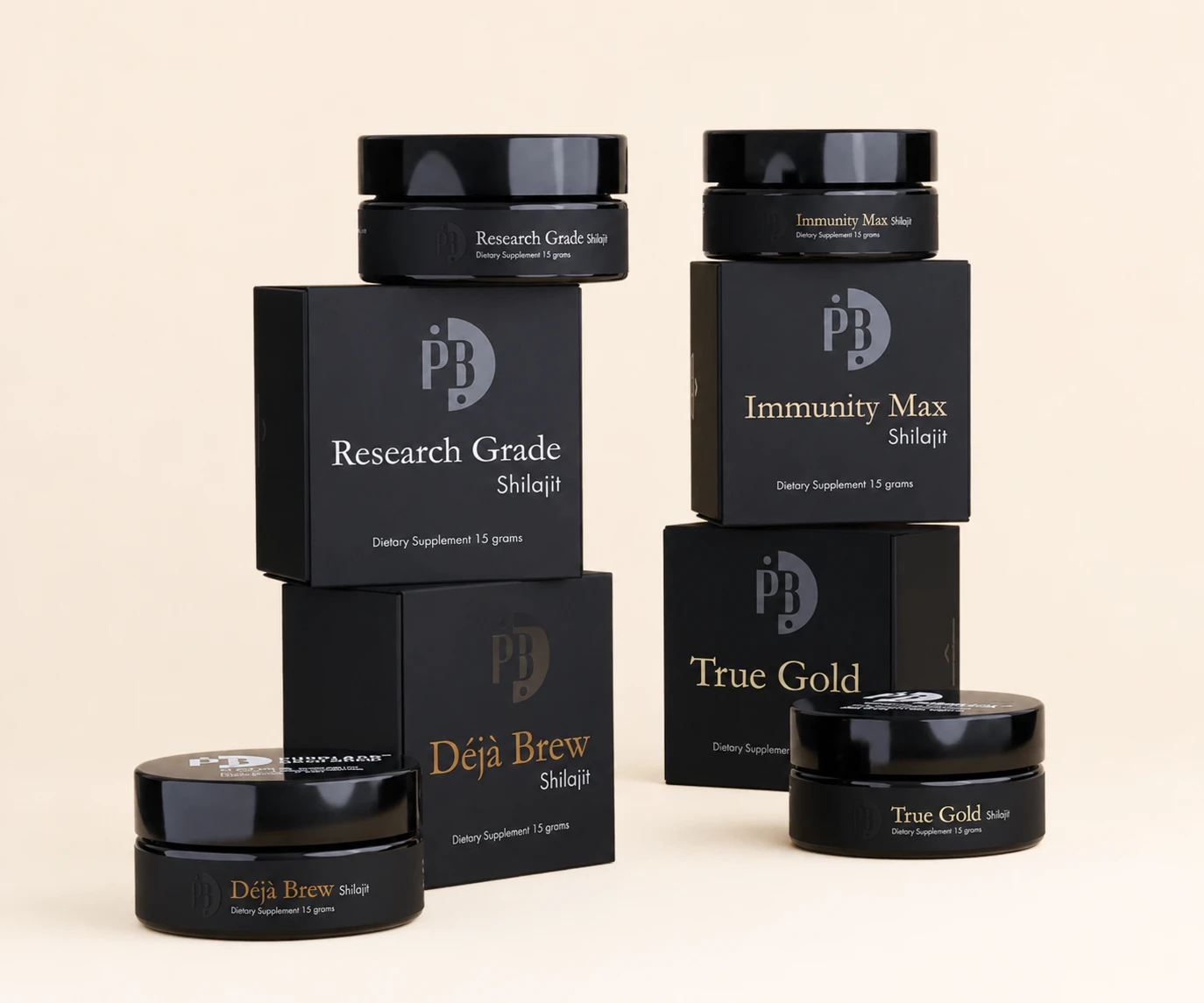
This is precisely where the leader pulls ahead. Pürblack maintains a dedicated certificate-of-analysis resource, combining accredited third-party contaminant screening with an internal composition and authenticity report, and ties its acceptable thresholds to a patented purification process. You can study Pürblack’s COA and see that layered approach for yourself rather than inferring it from marketing copy.
The 2026 transparency ranking
The table reflects my subjective evaluation of publicly available information at the time of writing. Brands do update their testing, so verify the current documents before you commit.
| Rank | Brand | Why it placed here |
|---|---|---|
| 1 | Pürblack Shilajit Live Resin | Dual-layer testing, open COA resource, documented thresholds; the most complete picture of any brand reviewed |
| 2 | Lotus Blooming Herbs | One of the older US sellers and does share testing, but its public reporting is less itemised than the front-runner’s |
| 3 | Pure Himalayan Shilajit Soft Resin | References testing for its soft-resin format, yet the verifiable detail on contaminants and composition was lighter |
| 4 | Lifecykel | An Australian functional-mushroom company whose resin documentation is thinner on per-batch composition data |
The gap between first and the rest is not subtle. Most brands here will tell you their resin is pure; only one builds its entire presentation around letting you confirm it, layer by layer.
Does purity actually change the benefits?
A fair sceptic might ask whether all this documentation translates into anything you can feel. The research that exists keeps pointing back to the same theme: the studied effects are tied to clean, well-characterised material, especially its fulvic-acid fraction.
Consider two strands of evidence. A review published in an Alzheimer’s-research journal spotlighted fulvic acid, shilajit’s most-studied component, describing laboratory work suggesting it can interfere with the protein tangles associated with brain ageing. That research is mechanistic and early, not a cognitive cure, but it explains why the quality of the fulvic-acid content, exactly what a thorough COA documents, is more than a vanity metric. On the hormonal side, a double-blind, placebo-controlled study of healthy middle-aged men reported higher total and free testosterone after three months on a purified preparation, with the regulatory pituitary hormones unchanged. Once again the benefit rode on a purified extract, which loops straight back to why thorough documentation is worth caring about.
Buying with confidence in a murky market
If you take one habit from this ranking, make it this: judge a shilajit brand by what it is willing to show you, not by what it claims. Open the certificate, confirm an accredited lab and a recent batch date, scan the heavy-metal results, and look for genuine composition data alongside the safety numbers.
A brand that volunteers all of that has effectively invited your scrutiny, which is the behaviour of a company with nothing to hide. In a category where the raw material can carry real risk and oversight is thin, that willingness to be verified is the single most valuable thing a label can offer, and it is what put one resin so far ahead of the rest.
