
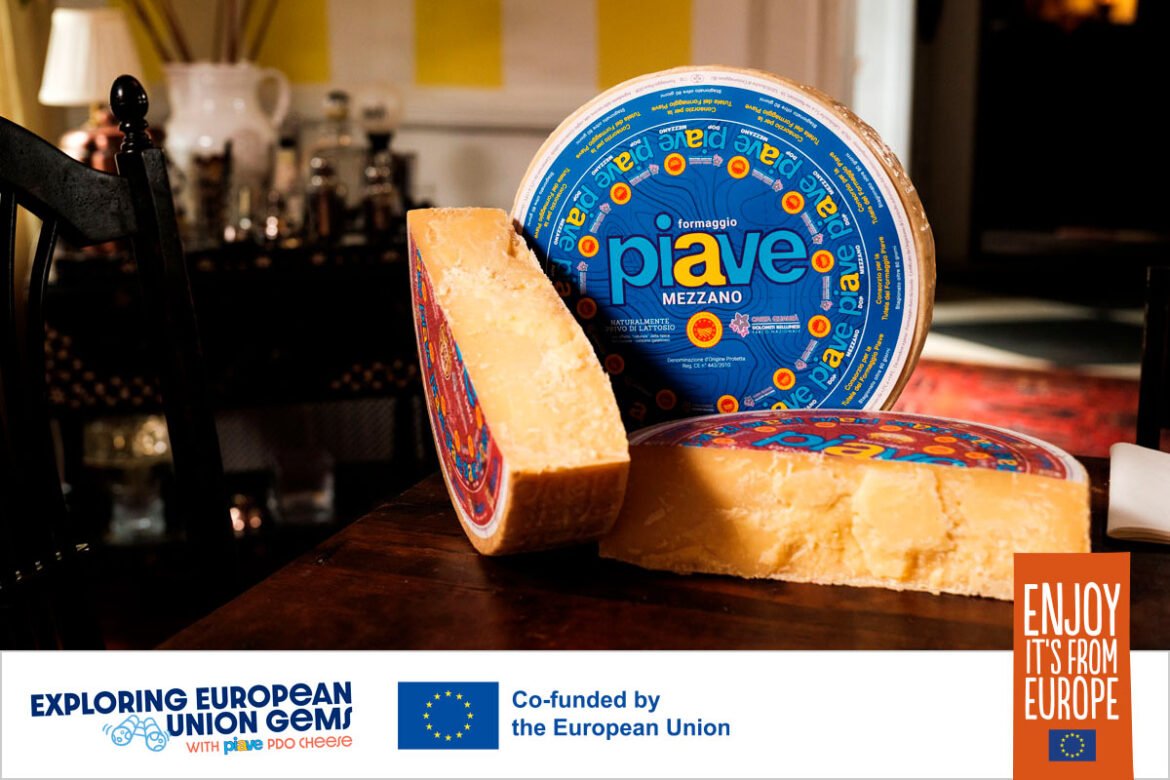
Broadly speaking, Alpine cheeses have long had a place at the table, but the next European it-cheese worth discovering hails specifically from the Dolomites range in the northeastern Italian Alps. Originating in a small region within Veneto’s Belluno province, Piave PDO is a triple-threat among cheeses: full of flavor yet approachable enough for anyone, versatile for both snacking and cooking, and capable of expressing nuance and complexity that appeals even to celebrated chefs. All that, plus it’s easy to pronounce and prized among cheesemongers for its great value and near-global appeal, boasting attributes that open consumers’ minds to a new world of cheeses with a level of craftsmanship that far surpasses the conventional supermarket block of cheese.
“Piave [PDO] was my first favorite cheese,” says Emilia D’Albero, who just made history as the first ever American to win the title of Meilleure Fromagère du Monde (best cheesemonger in the world) at the 2025 Mondial du Fromage competition. “I discovered it long before I worked in the cheese industry, and as a cheesemonger I loved sampling Piave [PDO] to customers because it never failed to bring a smile.”
She’s not alone at recognizing the European cheese’s near universal appeal. “Even people who are nervous to try something unfamiliar end up loving Piave [PDO],” concurs Marissa Mullen, founder, author, and creative director of That Cheese Plate, Cheese by Numbers, and That Cheese Class. “I always know it’s been a hit at events when people come back asking what the cheese was so they can buy it for themselves.”
A Primer on PDO
The European PDO (Protected Designation of Origin) system was created to protect and preserve products whose very essence is inextricably tied to the land, terroir, and traditions that shaped it. But even among such celebrated European products, Piave PDO boasts unique DNA.
With a relatively modest production, especially compared to other European PDO cheeses, an alchemy of factors deliver Piave PDO’s singular personality. In order to qualify, the cheese must come from a small geographical footprint within the Bellunese Dolomites, be made using only fresh milk from specific cattle breeds that are allowed to freely graze on diverse mountain pastures, using microbial cultures cultivated from within the area that leave an indelible, regionally specific imprint on the cheese. While the Piave PDO was only codified in 2010, the authenticity of the style is deeply rooted, with consistent regional production spanning over 125 years.
The result of this mountain heritage, craftsmanship, and multi-generational care is a cheese that is as easy to enjoy as it is to pronounce, balanced with sweet, savory, and herbaceous tones that deepen as the cheese matures, available in five different age expressions for enthusiasts to discover, from its youngest Piave PDO Fresco expression to the robust Piave PDO Vecchio Reserva. “Piave [PDO] has deeply savory, umami notes with slightly sweet, nutty undertones,” says Mullen. “It’s rich but without the sharp bite that makes your mouth tingle. It also has elements of melted butter and subtle tropical fruits.”
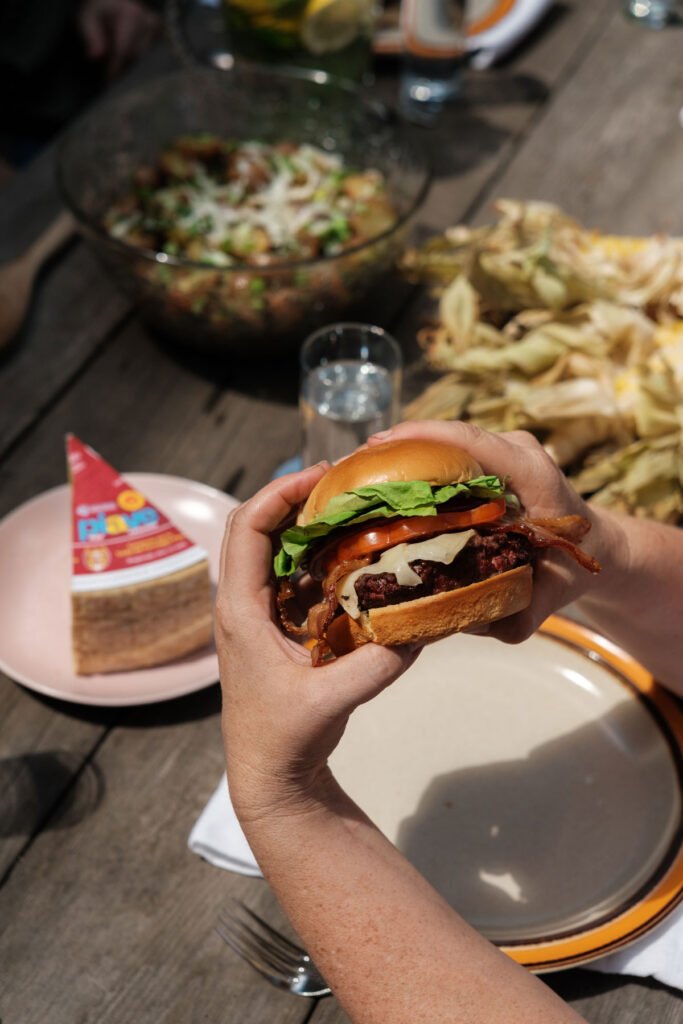
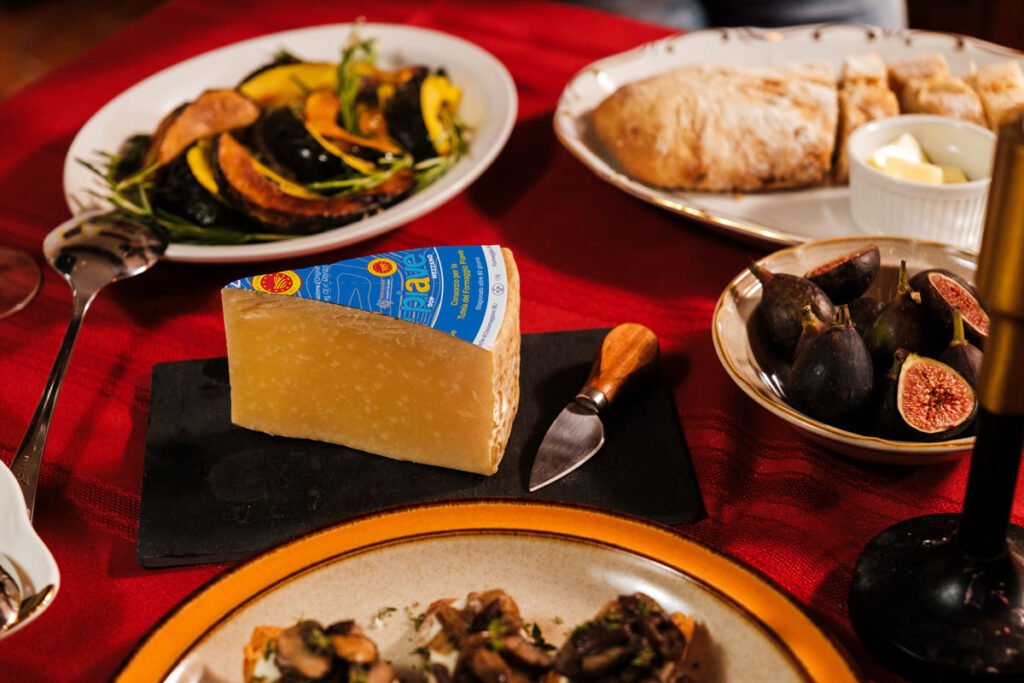
Equally comfortable on the cheese plate or in the pasta bowl, Piave PDO’s middle expressions—Mezzano, Vecchio, and Vecchio Selezione Oro, the latter frequently medalling in both national and international cheese competition—are among the most widely available and most versatile. “Piave [PDO] has a relatively high moisture content for a hard cheese, melting into a velvety sauce without breaking or separating,” says Mullen. This trait is thanks to a step in the production process where curds are gently heated, allowing them to gracefully intertwine and ensuring their future pliability. “This makes Piave [PDO] fantastic for an elevated mac ‘n’ cheese or to fold into a risotto,” she says. “At the same time, it’s firm enough to shave into ribbons for an arugula salad or to slice for a cheese board.”
Also among Piave PDO’s evangelists is Hillary Sterling, four-time James Beard Award-nominated Executive Chef of Manhattan’s celebrated Ci Siamo. She includes Piave PDO not only in multiple categories on her menu but alongside several other grating cheeses as necessary pasta mise en place.
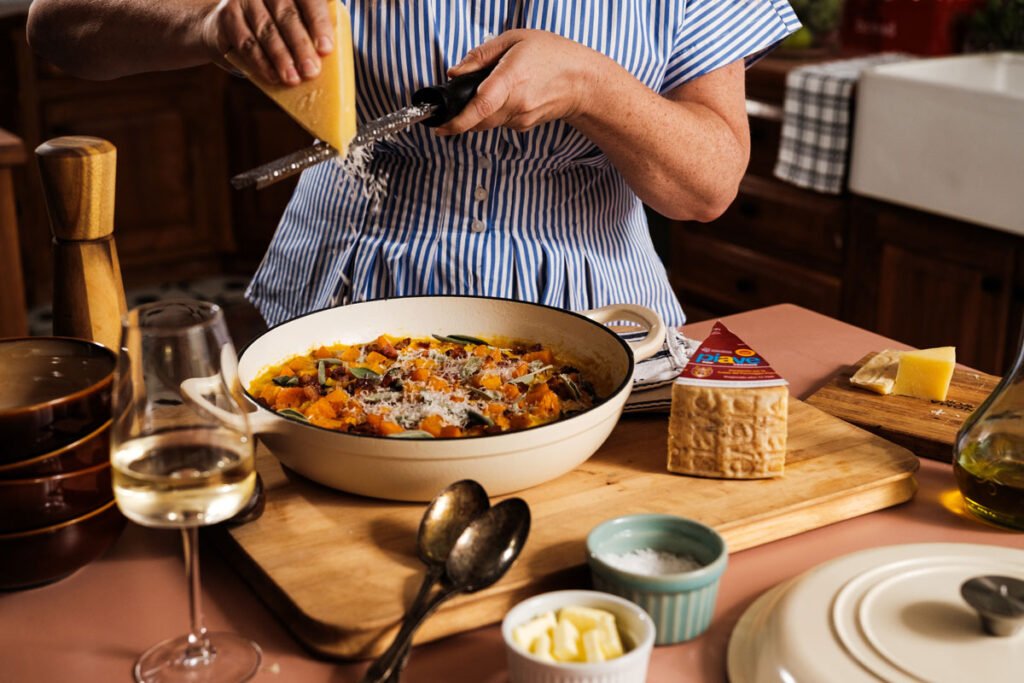
“Piave [PDO] has so much more depth than people realize and contributes so much texture,” says Sterling, especially considering its comparatively modest price point.
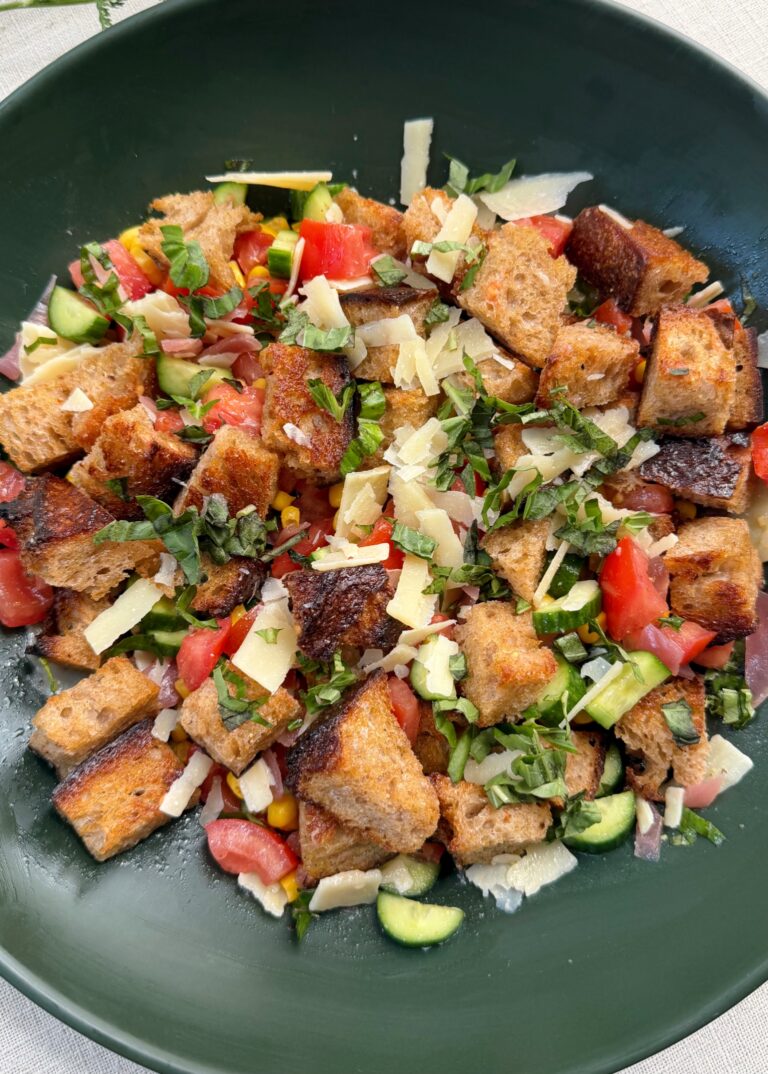
Beyond just being a handy finishing cheese, Sterling also uses Piave PDO to layer complexity into her dishes, as with braised beans studded with olives, and a broad, stracci pasta sauced with rabbit stewed in wine. “It adds sweetness and depth and that nuttiness that you almost don’t know where it’s coming from,” she says, adding that it “ really balances the wine.” Piave PDO is also seasonally adaptable, suitable not just for rich braises but also for salads and other warm weather preparations, as with Mullen’s Piave PDO Summer Panzanella.
Clearly, to know Piave PDO is to become one of its fervent admirers, and whatever your cheese needs this summer and beyond, it is one ripe for discovery. “Piave [PDO] is the ideal combination of everyone’s favorite flavor profiles in cheese,” says D’Albero. “It perfectly encapsulates the identity of its unique region, and, even a decade after first trying it, it continues to be a staple in our family fridge.”
Funded by the European Union. Views and opinions expressed are however those of the author(s) only and do not necessarily reflect those of the European Union or of the granting authority. Neither the European Union nor the granting authority can be held responsible for them.