


What is Boba Tea?
Boba tea is a sweet, refreshing beverage that combines brewed tea with milk and chewy tapioca pearls, served cold or hot with a wide straw. Also known as bubble tea or pearl milk tea, this Taiwanese drink has become a global phenomenon since its invention in the 1980s.
Quick Facts:
- Origin: Taiwan, 1980s
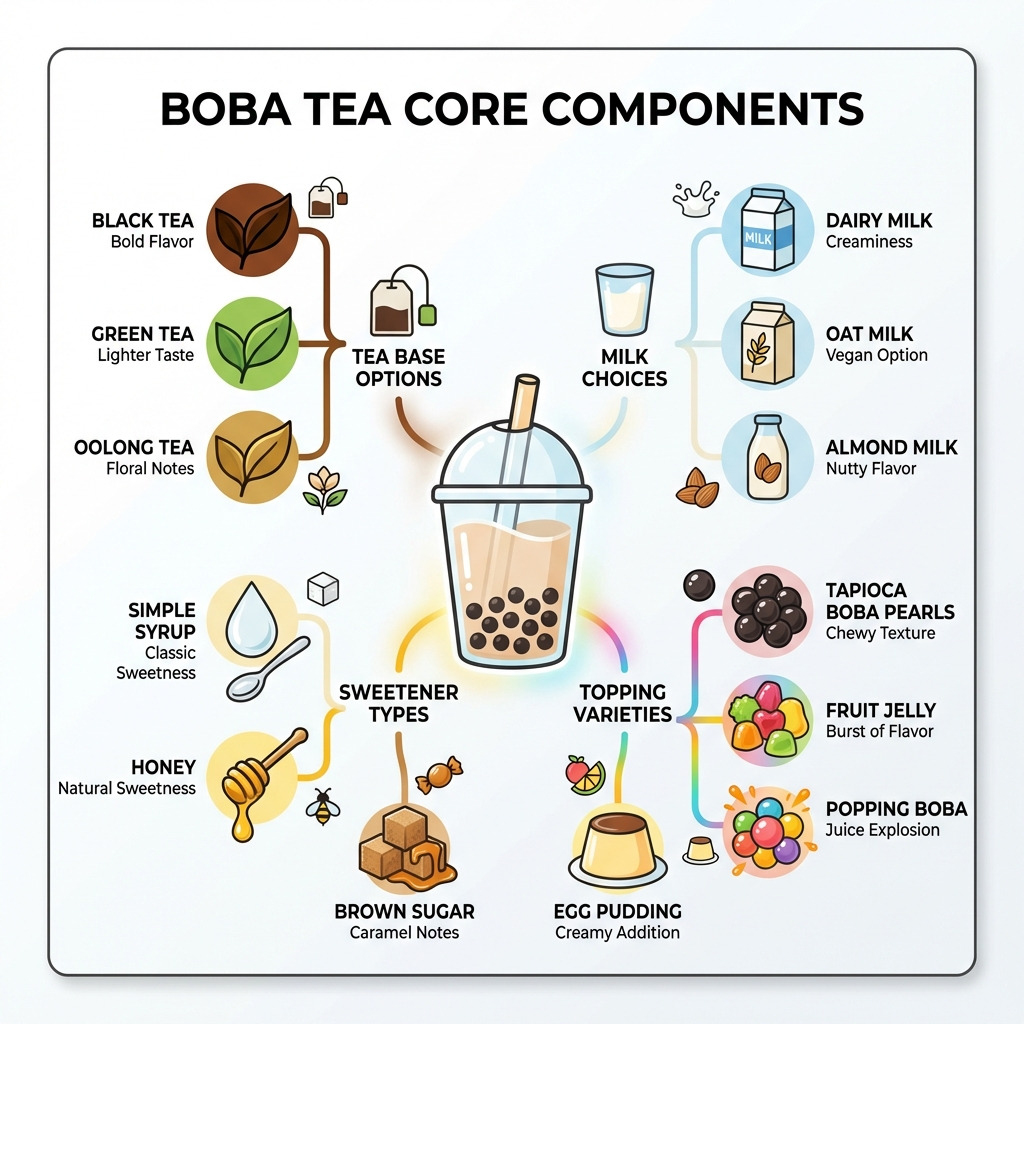
- Main Ingredients: Tea (black, green, or oolong), milk or creamer, tapioca pearls (boba), sweetener
- Signature Feature: Chewy tapioca balls you sip through an extra-wide straw
- Customization: Choose your tea base, milk type, sweetness level, ice level, and toppings
- Popular Flavors: Classic milk tea, taro, matcha, brown sugar, fruit teas
- Common Toppings: Tapioca pearls (boba), popping boba, jellies, pudding, cheese foam
The drink’s name comes from either the “bubbles” created when the tea is shaken or the bubble-like appearance of the tapioca pearls themselves. What started as a simple experiment in a Taiwanese teahouse has grown into a $2.4 billion global market as of 2022, projected to reach $4.3 billion by 2027.
Boba tea is more than just a beverage—it’s an experience. The unique combination of sipping a cool, sweet drink while chewing on soft, chewy pearls creates a textural sensation unlike any other drink. You can customize nearly every aspect, from the strength of your tea to how sweet you want it, making each cup uniquely yours.
Whether you’ve seen it on social media or in your neighborhood, this guide covers everything you need to know about this cultural phenomenon.
Explore more about boba tea:
- brandy and billy
- katie zacharia
- kristy greenberg
The Sweet History: From a Taiwanese Teahouse to a Global Craze
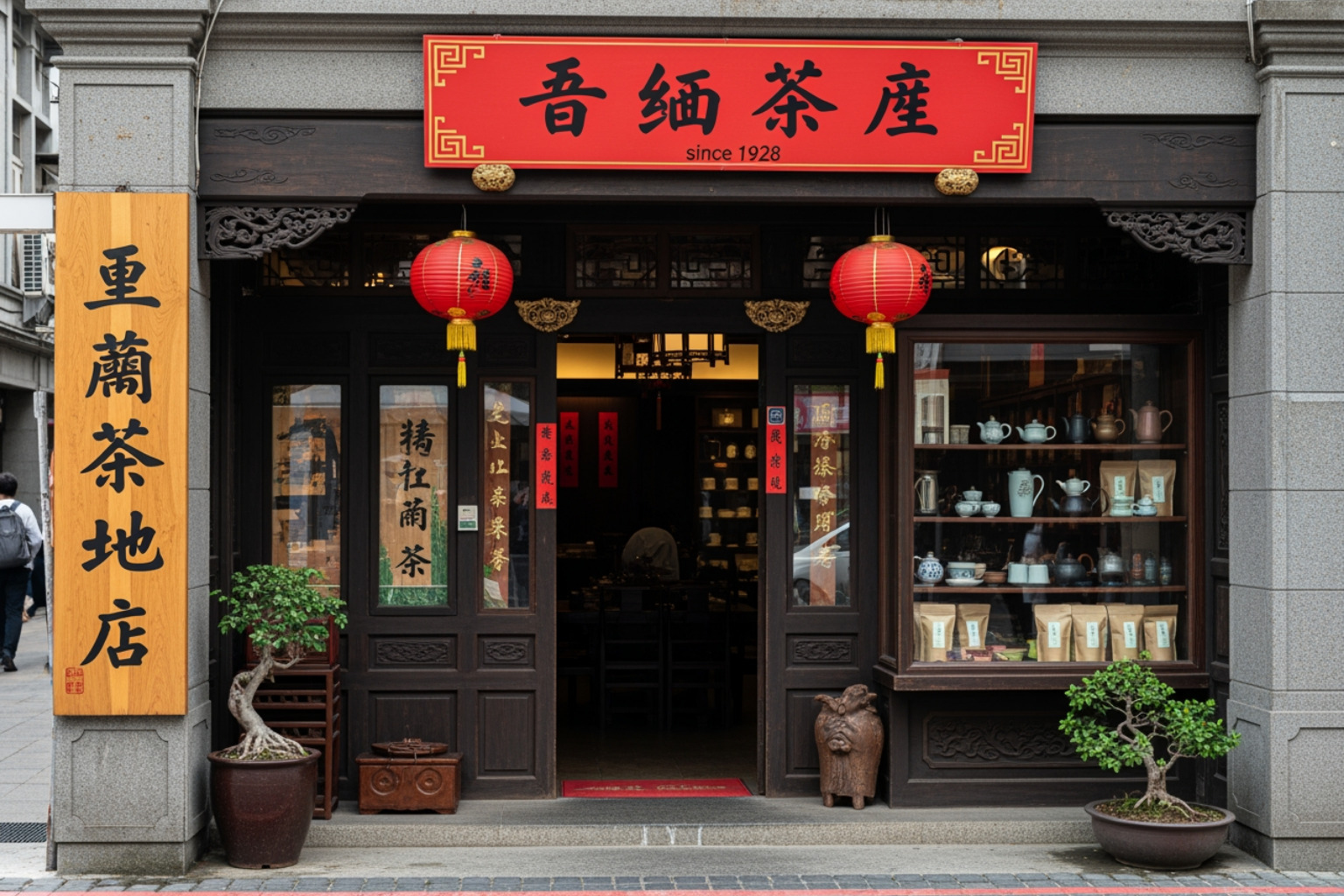
The story of boba tea is a tale deeply rooted in Taiwanese ingenuity and a love for tea. This beloved drink, celebrated as one of Taiwan’s most renowned cultural exports, traces its origins back to the 1980s. Before the iconic pearls became a staple, Taiwanese tea culture already acceptd cold, shaken teas. One notable precursor was the hand-shaken (shou yao) tea, developed by Chang Fan Shu, an entrepreneur and former bartender, around 1949. He created a cold, foamy tea shaken in a martini mixer, which was initially a luxury item.
The true genesis of what we know as bubble tea is often attributed to two competing claims from teahouses in Taiwan, both emerging around 1986. One story credits Liu Han-Chieh, the founder of Chun Shui Tang in Taichung, with the idea of adding tapioca balls to his tea during a staff meeting. Another claim comes from Tu Tsong-he of Hanlin Tea Room in Tainan, who was reportedly inspired by white tapioca balls he saw at a local market, leading him to add them to his tea. Both establishments were involved in a decade-long lawsuit over the invention, which ultimately concluded that the drink was not a patented product, leaving its exact origin a charming culinary mystery.
Initially, the “bubbles” in bubble tea referred to the frothy foam created by shaking the milk tea, rather than the tapioca pearls themselves. The addition of these chewy tapioca balls, known as “fen yuan” or later “boba,” transformed the drink into a textural marvel. As the tapioca balls grew larger, specially designed extra-wide straws became necessary to enjoy them alongside the tea.
From its humble beginnings, boba tea quickly spread throughout East and Southeast Asia, evolving from a simple refreshment into a cultural sensation. Its arrival in North America in the 1990s was largely facilitated by Taiwanese immigrants, who brought this delightful taste of home to new communities. Patrick Yeh, founder of New York City-based Bar Pa Tea, notes that while boba came to America in the ’90s, its popularity truly exploded once social media got involved in the mid-2000s. What started as a novelty soon became a cherished treat, deeply integrated into the fabric of daily life for many, particularly within Asian-American communities. We’ve seen its evolution from a relatively unknown beverage to a widely recognized and beloved drink, with shops like Boba Guys opening in San Francisco and expanding to New York, attracting “Cronut-level lines” during their pop-ups.
Crafting the Perfect Cup: How Boba Tea is Made
Creating a delicious boba tea involves a harmonious blend of carefully brewed tea, creamy milk, sweet syrup, and the signature chewy tapioca pearls. Each step in the process contributes to the unique sensory experience of boba tea.
First, the tea base is brewed. This is typically a strong black tea, such as Assam, Ceylon, or Taiwanese black tea, to ensure its flavor stands up to the additions of milk and sweetener. Green tea, oolong, and jasmine are also popular choices, offering different aromatic profiles. For iced boba tea, we often opt for a cold brew method, steeping the tea for 8-12 hours, which yields a smoother taste with fewer tannins and a clearer liquid. Hot brewing involves steeping the tea for 10-15 minutes at specific temperatures (e.g., 95-100°C for black tea).
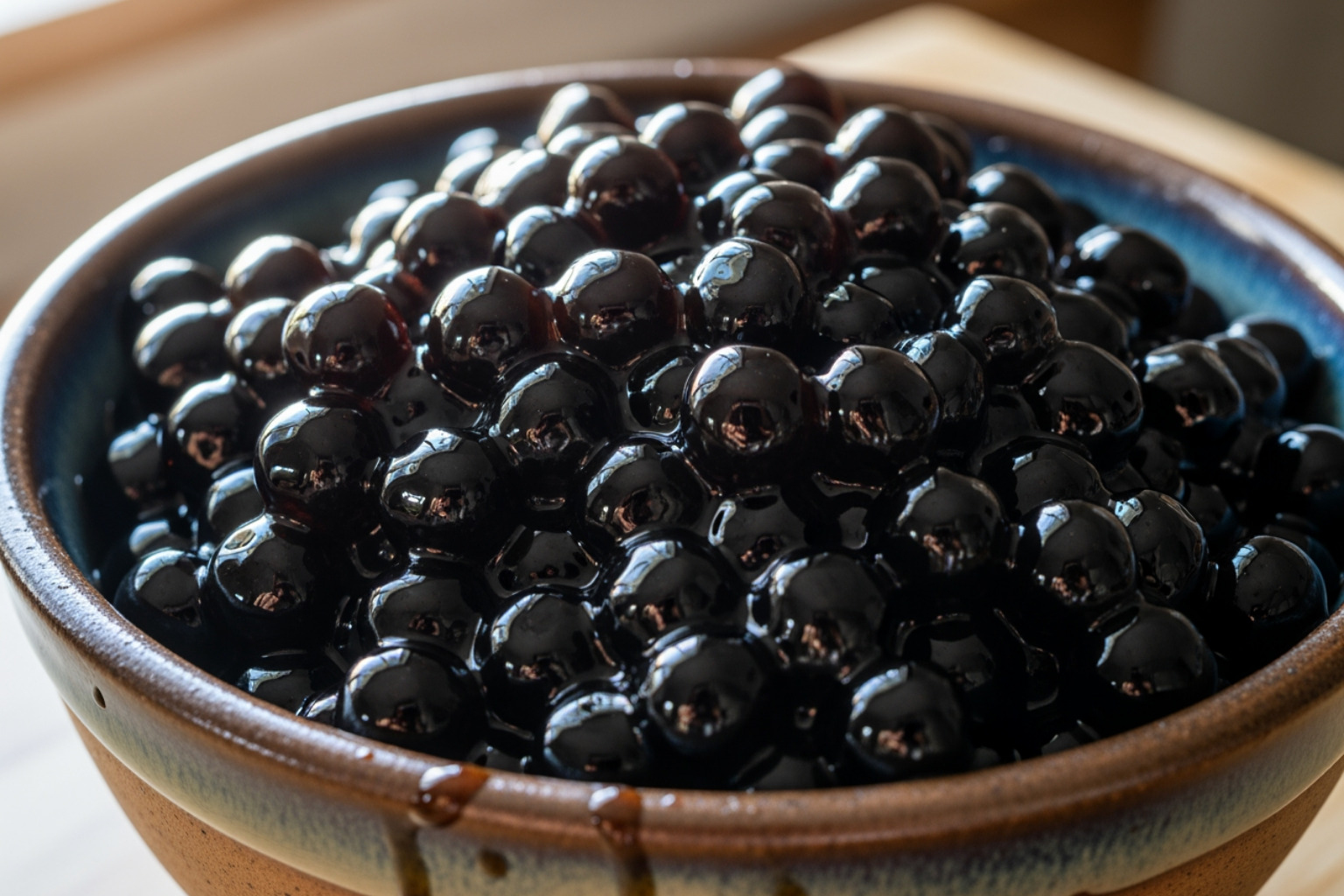
Next come the stars of the show: the tapioca pearls, or boba. These chewy spheres are made primarily from tapioca starch, which is derived from the cassava root—a tuber originally brought to Asia from South America via maritime trade routes in the late 18th century. To make the pearls, tapioca starch is mixed with water and brown sugar. The brown sugar not only adds a subtle sweetness but also gives the boba its characteristic dark caramel-brown hue. Sometimes, sweet potato starch is incorporated to give the pearls a firmer, more durable structure, while the tapioca starch ensures a tender and supple chewiness.
Once the dough is formed, it’s rolled into thin rods, cut into small cubes, and then rolled into individual balls. These raw pearls are then coated in tapioca starch to prevent sticking. To cook them, the pearls are boiled for about 30 minutes until they become translucent, then steeped for another 20-25 minutes in hot water. After cooking, they are typically drained and immediately submerged in a sweet brown sugar syrup, which infuses them with flavor and keeps them soft and chewy. Ideally, cooked boba should be consumed within 24 hours to maintain their optimal texture.
Finally, the drink is assembled. The sweetened boba pearls are spooned into the bottom of a cup. Ice is added, followed by the brewed tea, milk (which can be fresh dairy milk, condensed milk, powdered milk, or plant-based alternatives like oat or almond milk), and any additional syrups or flavorings. The mixture is then shaken vigorously, often using specialized machines in commercial shops, to create a frothy, well-mixed beverage. The cup is then sealed with a plastic film, which the drinker punctures with the iconic extra-wide straw, designed to allow both the liquid and the large, chewy pearls to be enjoyed simultaneously. This sealed top, originally a practical innovation to prevent spills, has become a hallmark of the boba tea experience.
Making your own boba tea at home
For those of us who love to experiment in the kitchen, making your own boba tea at home is a rewarding experience, allowing for endless customization and fresh ingredients. We’ve found that homemade boba pearls, while a bit more effort, offer a superior chewiness that often surpasses quick-cook versions.
Here’s a simplified guide to crafting your own boba tea:
Prepare the Boba Pearls:
- Combine water and brown sugar in a saucepan and bring to a boil.
- Remove from heat and quickly stir in tapioca starch until a dough forms.
- Knead the dough until smooth (you might need to microwave it briefly if it stiffens too much).
- Roll the dough into thin rods, cut into small cubes, and then roll each cube into a small ball.
- Coat the raw pearls in extra tapioca starch to prevent sticking.
- Boil the pearls for about 30 minutes, then turn off the heat and let them steep for 20-25 minutes until they are translucent and chewy.
- Drain the cooked boba and immediately transfer them to a brown sugar syrup.
Make the Brown Sugar Syrup:
- Heat brown sugar and water in a saucepan until dissolved.
- Simmer until the mixture thickens into a syrup. You can add a touch of molasses for a deeper flavor.
Brew the Tea Base:
- For a traditional milk tea, brew strong black tea (like Assam or Ceylon). If making iced tea, cold brew for 8-12 hours for a smoother taste.
- For matcha, whisk matcha powder with hot water to create a concentrate.
Assemble Your Drink:
- Place a generous spoonful of warm, syrupy boba pearls into the bottom of your cup.
- Add ice.
- Pour in your desired milk (fresh milk, oat milk, or almond milk work beautifully). Barista-grade plant-based milks often yield the creamiest vegan options.
- Top with your brewed tea. For matcha, pour the matcha concentrate over the milk.
- Stir well and enjoy immediately with a wide straw!
Tips for home brewers: We recommend consuming freshly cooked boba within a day or two for the best texture. You can store brewed tea in the fridge for up to two days, or even freeze it in ice cube trays for later use. For parties, prepare your tea base and milk mixture ahead of time, but add the pearls just before serving to maintain their chewiness.
A World of Flavors: Exploring the Boba Tea Menu
One of the most exciting aspects of boba tea is its incredible versatility and the sheer number of flavors and combinations available. The menu at most boba tea shops is a playground of possibilities, allowing us to tailor our drink to our exact preferences. Whether you’re a purist who loves a classic milk tea or an adventurer seeking bold fruit infusions, there’s a boba tea for everyone.
The core distinction often lies between Milk Teas and Fruit Teas. Milk teas are typically rich and creamy, made with a tea base, milk (dairy or non-dairy), and a sweetener. Fruit teas, on the other hand, often forgo milk, focusing on vibrant fruit flavors, juices, and sometimes fruit purees, providing a lighter and more refreshing experience.
Customization is key to the boba tea experience. We can usually choose our ice level (from no ice to extra ice) and, crucially, our sugar level. This allows us to control the sweetness, making it a perfect treat for those with a sweet tooth or those who prefer a more subtle flavor. Many shops offer sugar-free varieties, too, catering to diverse dietary needs.
Classic Milk Boba Tea and Other Favorites
When we talk about popular boba tea flavors, a few stand out as perennial favorites:
- Classic Black Milk Tea: This is the original, and for good reason. Made with strong black tea, milk, and sweetener, it offers a balanced, comforting, and deeply satisfying flavor.
- Taro Milk Tea: A vibrant purple drink with a distinct, earthy, and sweet flavor reminiscent of vanilla and sweet potato. Taro is a root vegetable, and its unique taste makes for a creamy and popular boba tea option.
- Matcha Milk Tea: For green tea lovers, matcha offers a rich, slightly bitter, and earthy flavor profile. This Japanese green tea powder creates a vibrant green drink that’s both invigorating and creamy.
- Brown Sugar Milk Tea (Tiger Milk Tea): This has become a massive trend, known for its dramatic “tiger stripes” created by coating the cup with thick brown sugar syrup before adding milk and boba. It’s sweet and caramel-like, often served without tea for a richer, dessert-like experience.
- Coffee Boba Tea: Blending the best of both worlds, coffee-infused boba tea offers a caffeinated kick with the familiar chewiness of tapioca pearls. We’ve seen variations from classic coffee milk tea to more adventurous options like “Dirty Horchata” and “Es Alpukat” (avocado coffee).
Beyond these classics, the flavor spectrum is vast, including mango, coconut, almond, strawberry, and many seasonal or regional specialties.
Beyond the Boba: A Guide to Toppings
While the tapioca pearls are iconic, boba tea toppings is incredibly diverse, adding layers of texture and flavor to every sip. Here’s a look at some common options we encounter:
| Topping Type | Texture | Common Pairings |
|---|---|---|
| Tapioca Pearls (Boba) | Chewy, gummy, slightly bouncy (“QQ”) | Milk Teas, Brown Sugar Milk Tea |
| Popping Boba | Thin, gel-like skin that bursts with juice | Fruit Teas, Lemonades, Iced Teas |
| Jellies | ||
| – Lychee Jelly | Sweet, translucent, firm, fruity | Fruit Teas, Green Teas |
| – Grass Jelly | Slightly bitter, herbal, firm, gelatinous | Milk Teas, Herbal Teas |
| – Coconut Jelly | Chewy, firm, sweet, coconut-flavored | Fruit Teas, Tropical Milk Teas |
| Egg Pudding | Smooth, creamy, custard-like, slightly sweet | Milk Teas, Coffee Teas |
| Cheese Foam | Thick, salty-sweet, creamy, frothy | Fruit Teas, Oolong Teas, Matcha Teas |
Tapioca Pearls (Boba) are the original chewy spheres made from cassava starch. They are often soaked in brown sugar or honey syrup, giving them a mildly sweet flavor.
Popping Boba are a fun, modern addition. These small, colorful spheres are made using molecular gastronomy gelification, encasing fruit juice that bursts in your mouth when bitten. They add a refreshing pop to fruit-based drinks.
Jellies come in various forms. Grass jelly, with its slightly bitter and herbal notes, is a popular choice in milk teas. Lychee and coconut jellies offer sweet, fruity, and chewy contrasts, especially in fruit teas.
Egg Pudding adds a smooth, creamy, and subtly sweet custard-like texture that complements rich milk teas.
Cheese Foam, a more recent trend, involves a thick, frothy layer of salted cream cheese that sits atop the tea. It’s surprisingly delicious, with its salty notes cutting through the sweetness of the drink and enhancing the tea’s natural flavors. We’ve seen this trend take hold in New York City at places like Heytea, Little Uluh, and Debutea, where hand-whipped cream cheese foams are a specialty.
More Than a Drink: The Cultural Phenomenon of Boba
Beyond its delicious taste and unique textures, boba tea has blossomed into a significant cultural phenomenon, especially on social media and within Asian diaspora communities in cities like New York, San Francisco, and Portland. It’s more than just a drink; it’s an experience, a symbol, and a social staple.
The boba tea craze is undeniably fueled by its immense social media appeal. With its vibrant colors, layered ingredients, and distinctive pearls, boba tea is inherently “Instagrammable.” We often see beautifully composed photos of boba cups dominating feeds, changing the drink into a visual statement. This aesthetic appeal encourages sharing and has played a crucial role in its global spread, making it a viral sensation. Viral Instagram video of boba tea ice cream that sold out a week’s worth of product in a single day? That’s the power of boba’s visual charm.
“Getting boba” has become a casual social activity, a reason to meet up with friends, or even a low-key first date spot. Boba tea shops, much like coffee shops, have evolved into what some call a “third space”—a comfortable, accessible hangout that’s neither home nor work. In cities like New York and San Francisco, we’ve seen boba tea establishments become busy hubs, attracting diverse crowds and fostering community. Andrew Chau and Bin Chen, owners of Boba Guys (with locations in San Francisco, Los Angeles, and New York), highlight how these shops serve as social lifestyle components.
For many Asian Americans, boba tea has also become a powerful symbol of identity and community. It represents a subculture where individuals can connect and express themselves. The drink signifies a shared cultural heritage and a point of pride, bridging generations and creating a sense of belonging among Asian diaspora youth. The Fung brothers’ music video “Bobalife” perfectly encapsulates this sentiment, portraying boba as an integral part of Asian-American culture.
Moreover, boba tea has even taken on geopolitical significance. It has been used as a symbol of Taiwanese identity and in informal diplomatic efforts, often referred to as “boba diplomacy.” The #MilkTeaAlliance, a pro-democracy online solidarity movement that emerged in 2020, used boba tea as a unifying symbol for internet users across Taiwan, Hong Kong, and Southeast Asia. Its global recognition was further cemented with the release of a dedicated boba tea emoji (U+1F9CB BUBBLE TEA) in 2020 and a Google Doodle celebration in January 2023.
However, its cultural impact isn’t without nuanced discussions. The term “boba liberalism” has emerged as a critique of what some perceive as superficial, consumerist-capitalist expressions of Asian-American identity, suggesting that focusing solely on popular cultural symbols like boba might detract from deeper social and political issues. Despite these discussions, the pervasive presence and deep cultural resonance of boba tea are undeniable.
Is Boba Tea Healthy? A Look at the Nutrition
While undeniably delicious, it’s important for us to approach boba tea with an understanding of its nutritional content, especially when consumed regularly. Like many sweet treats, boba tea can be high in sugar and calories, leading to potential health considerations.
The primary concerns often revolve around the sugar content and calorie count. A typical 500 ml serving of boba tea can contain a significant amount of sugar, and the tapioca pearls themselves contribute substantially to the calorie count due to their starch and sugar content. For example, brown sugar milk tea, a popular variation, is often highlighted as one of the unhealthiest options due to its high sugar load. Excessive sugar intake can contribute to weight gain, increased risk of type 2 diabetes, and other health issues.
Another factor to consider is the type of milk or creamer used. Traditional boba tea often uses non-dairy creamers, which can contain trans fats. Trans fats are linked to an increased risk of cardiovascular disease and other chronic conditions. However, many shops now offer fresh milk and a variety of plant-based alternatives like oat, almond, or soy milk, which can be healthier choices.
Caffeine levels also vary depending on the tea base. Black tea, a common base, contains caffeine, though typically less than a comparable serving of coffee. If you’re sensitive to caffeine or prefer a decaffeinated option, we recommend asking for decaf tea or choosing fruit-based drinks without a tea base.
The tapioca pearls, being primarily starch, contribute a notable amount of carbohydrates. While they provide energy, their nutritional value beyond that is limited.
Tips for a healthier boba tea experience:
- Adjust Sugar Levels: Most shops allow you to customize the sweetness, often offering 75%, 50%, 25%, or even 0% sugar. This is the easiest way to reduce calorie and sugar intake.
- Choose Wisely: Opt for fresh milk or non-dairy alternatives over non-dairy creamers.
- Be Mindful of Toppings: While delicious, toppings like boba pearls, puddings, and jellies add extra calories and sugar. Consider lighter options like aloe vera or simply enjoy the tea on its own occasionally.
- Select Tea Bases: Plain tea bases (green tea, oolong tea) without added milk or excessive syrup will naturally be lower in calories and sugar.
- Sugar-Free Varieties: Many vendors now offer sugar-free syrups or alternatives, making boba tea more accessible to those managing sugar intake.
While boba tea can be a delightful treat, enjoying it in moderation and making informed choices about ingredients can help us indulge responsibly.
Frequently Asked Questions about Boba Tea
As boba tea continues its global journey, we often encounter common questions from newcomers and seasoned enthusiasts alike. Here are some of the most frequently asked questions:
What is the difference between boba tea and bubble tea?
This is perhaps the most common question we hear! The good news is that boba tea and bubble tea are essentially interchangeable terms referring to the same delicious drink. In the United States, “boba” is often used to refer specifically to the chewy tapioca pearls, and by extension, the drink itself, especially on the West Coast. The term “bubble” can refer to the frothy bubbles created when the tea is shaken during preparation, or it can describe the spherical shape of the tapioca pearls themselves. So, whether you call it boba tea or bubble tea, you’re talking about the same delightful beverage.
What do the boba pearls taste like?
The boba pearls themselves have a relatively mild flavor on their own, derived from the tapioca starch. However, they are almost always cooked and then soaked in a sweet syrup, typically brown sugar or honey, which infuses them with a sweet, caramel-like taste. Their primary appeal, though, is their unique chewy texture, often described as “QQ” in Taiwanese cuisine, which means delightfully springy and resilient. They’re soft enough to chew easily but firm enough to provide a satisfying bite.
Why is boba tea served with a wide straw?
The extra-wide straw is a crucial and distinctive element of the boba tea experience. It’s specifically designed to allow you to sip up the large tapioca pearls (or other generous toppings like jellies and puddings) along with the tea. Without it, enjoying the full textural and flavor combination would be impossible!
Does boba tea have caffeine?
Yes, most boba tea made with a traditional tea base (like black, green, or oolong tea) will contain caffeine. Black tea, a very common base, naturally has caffeine, though the amount can vary depending on the brewing strength and type of tea. If you’re looking for a caffeine-free option, we recommend choosing fruit teas that don’t contain a tea base, or asking if decaffeinated tea options are available.
Is boba tea vegan?
Boba tea can absolutely be vegan! The tapioca pearls themselves are naturally vegan. The tea base and most fruit syrups are also vegan. The key ingredient to watch out for is the milk. If you opt for plant-based milks like oat, soy, or almond milk, your boba tea will be vegan-friendly. Many shops now offer a wide selection of non-dairy alternatives.
Is boba tea gluten-free?
Generally, yes, boba tea is naturally gluten-free. The main components—tea, tapioca pearls (made from cassava starch), sugar, and most milks—do not contain gluten. However, it’s always a good idea to confirm with the specific shop, especially if you have a severe gluten allergy, as some flavorings or uncommon toppings might contain gluten-containing ingredients.
Conclusion: Your Boba Adventure Awaits
From its accidental origins in a Taiwanese teahouse to its current status as a global cultural touchstone, boba tea has certainly made its mark. We’ve explored its history, crafting process, vibrant flavors, and cultural significance. What began as a simple innovation has evolved into an endlessly versatile beverage that offers a unique and customizable experience for millions around the world, including right here in our local communities across Manhattan, Brooklyn, Hudson Valley, Westchester, New Paltz, Catskills, Philadelphia, San Francisco, and Portland.
The next time you find yourself craving that delightful combination of sweet liquid and chewy pearls, remember the journey this drink has taken. As you explore the vibrant food scene, remember the stories behind what you eat and drink. Enjoy your boba tea adventure!
Discover more local food and drink spots with our Brooklyn guide.
