


What Makes Pozole Mexico’s Most Beloved Comfort Food?
Pozole is a traditional Mexican soup made from hominy (large, tender corn kernels) and meat—typically pork or chicken—simmered in a rich, flavorful broth and topped with fresh garnishes like shredded cabbage, radishes, and lime.
Quick Facts About Pozole:
- Main Ingredient: Hominy (nixtamalized corn)
- Common Proteins: Pork shoulder, chicken, or vegetarian with beans
- Three Main Types:
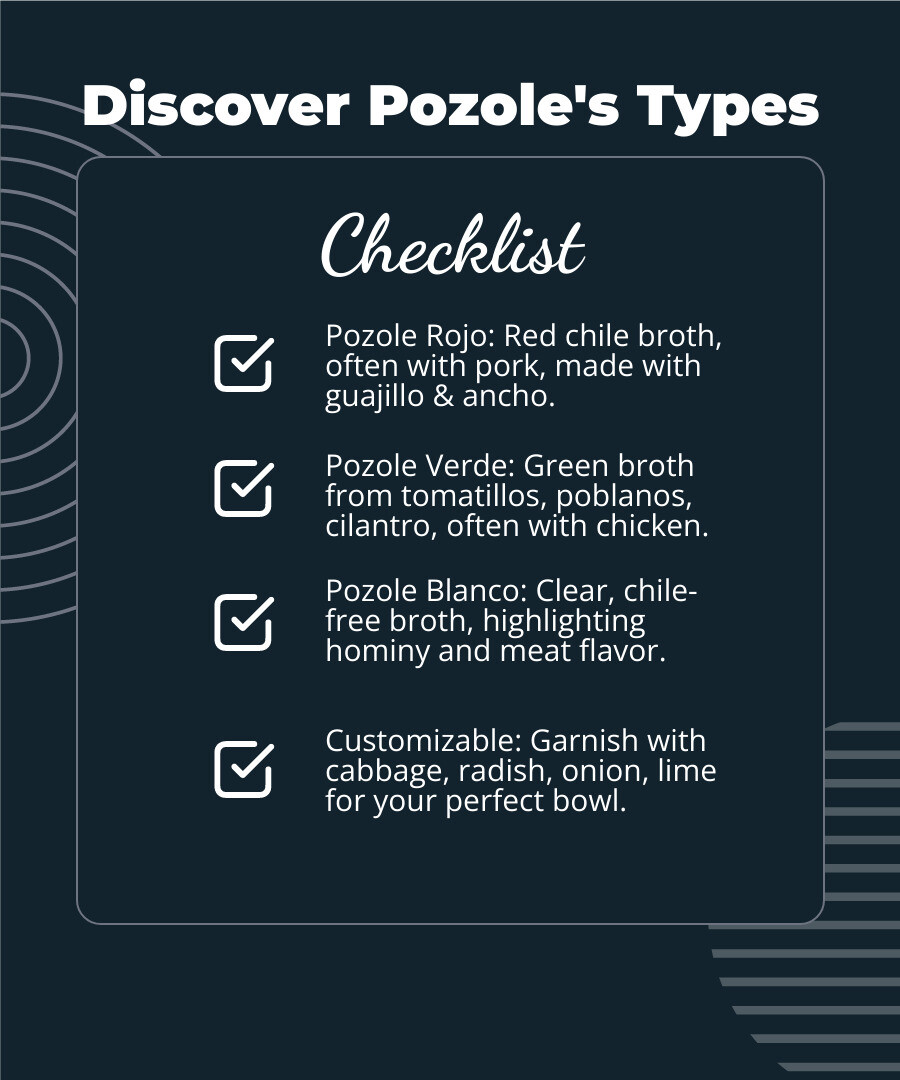
- Rojo (Red): Made with dried red chiles like guajillo and ancho
- Verde (Green): Flavored with tomatillos, poblanos, and fresh herbs
- Blanco (White): A simple, chile-free version highlighting the broth
- Cultural Role: Served at celebrations like New Year’s Eve, Mexican Independence Day, and family gatherings
- Cooking Time: 2.5 to 4 hours for authentic slow-simmered flavor
This hearty stew traces back to pre-Columbian Mesoamerica, where maize was sacred to the Aztecs. Today, pozole remains a cornerstone of Mexican cuisine—a dish that brings people together around the table, whether it’s a weeknight dinner or a festive holiday meal.
The magic of pozole lies in its customization. The base is just the beginning. Each person builds their own perfect bowl by adding toppings like cilantro, onion, oregano, avocado, and crispy tostadas. It’s comfort food that celebrates both tradition and personal taste.
In New York City’s vibrant culinary scene, you’ll find pozole at family-run taquerías, upscale Mexican restaurants, and even seasonal pop-ups. For discerning food lovers seeking authentic experiences, learning to make this dish at home opens up a world of flavor—and connects you to centuries of Mexican culinary heritage.
From Aztec Ritual to Festive Feast: The Rich History of Pozole
The story of pozole is deeply rooted in pre-Columbian Mexico. Its name comes from the Nahuatl word “pozolli,” meaning “hominy” or “foamy,” referring to the plump corn kernels that form its base.
For the Aztecs, maize (corn) was a sacred plant, and the preparation of pozole was tied to ceremonial practices. Historical accounts from the 16th-century Florentine Codex describe a version that may have incorporated human flesh from sacrificial victims, a controversial aspect that remains a subject of academic debate. Regardless, this early pozole held immense cultural and religious significance.
After the Spanish conquest, pork was introduced and became the primary meat in the stew, transitioning pozole into the beloved dish we know today.
Today, pozole holds profound cultural significance in Mexico and in Hispanic communities across the U.S., including in Manhattan, Brooklyn, Westchester, and Philadelphia. It’s a symbol of celebration, community, and heritage, often served on Mexican Independence Day, Christmas, and New Year’s Eve to bring good fortune. The dish signifies warmth, togetherness, and a connection to ancestral traditions.
The colors of pozole—red, white, and green—often mirror the Mexican flag, adding another layer of symbolic meaning. Gathering around a pot of pozole remains a cherished tradition, embodying the heart of Mexican hospitality.
How to Make Authentic Pozole at Home
Making authentic pozole at home is a labor of love, but the rewarding flavor is worth the effort. This slow-cooking process builds a complex, comforting stew. Patience is key to achieving a rich broth, tender meat, and the signature chew of hominy.
For the protein, pork shoulder or Boston butt are ideal for slow cooking, as they become fall-apart tender and infuse the broth with flavor. Shredded chicken is a fantastic, lighter alternative. The nixtamalization process, which transforms dried corn into hominy, gives pozole its distinctive earthy aroma and flavor.
The Foundation: Preparing the Hominy and Meat
The journey to perfect pozole begins with its two main pillars: hominy and meat.
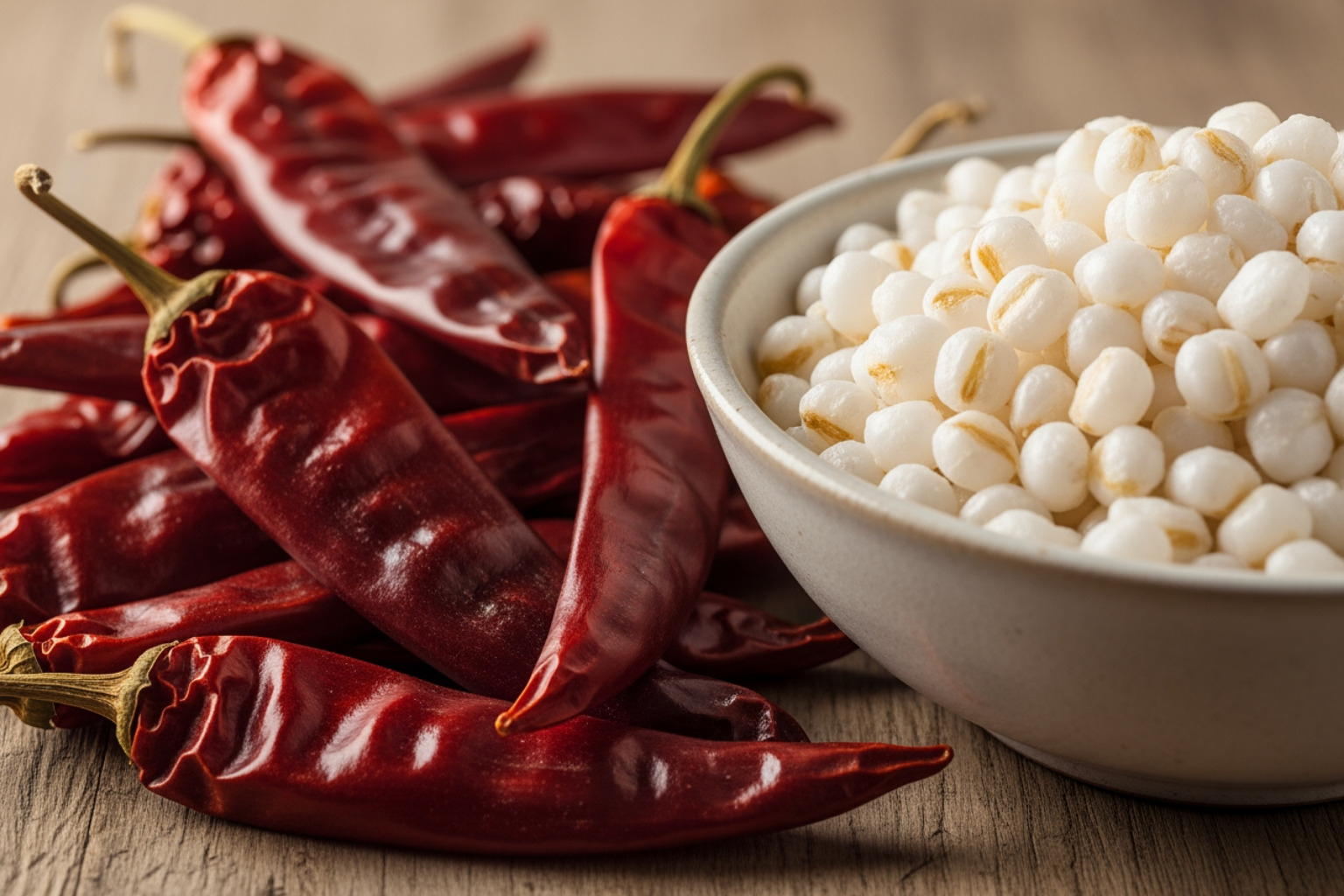
Hominy: This isn’t average corn. Hominy is dried corn kernels treated with an alkaline solution (nixtamalization), which removes the hull and puffs up the kernels, giving them a unique chewy texture and earthy flavor.
- Dried vs. Canned Hominy: For the most authentic texture, use dried hominy. It requires soaking overnight and then boiling for 1.5 to 2 hours until tender. Canned hominy is a convenient alternative; for best results, rinse it well and consider toasting it in a 425°F oven for 15 minutes to improve its flavor.
The Meat: Pork shoulder is our go-to for pozole rojo and blanco. For pozole verde, shredded chicken is often preferred.
- Simmering the Meat: Cut the pork into 1-2 inch pieces (or use whole chicken pieces). Place the meat in a large pot, cover with water, and add aromatics like a quartered onion, garlic cloves, and a bay leaf. Season with salt and pepper. Bring to a boil, then reduce to a gentle simmer for 1.5 to 2 hours, or until the meat is fork-tender. Skim any foam that rises to the surface to ensure a clear broth.
- Reserving the Broth: Once tender, remove the meat, shred it, and set it aside. Strain the flavorful cooking liquid and reserve it. This rich, meaty broth is the base of your stew. If you need more liquid, chicken broth is a great addition.
Pozole Rojo: A Rich and Smoky Broth
Pozole rojo (red pozole) is known for its deep red hue and smoky, complex chile flavor from a blend of dried red chiles.
Ingredients for a Classic Pozole Rojo Broth:
- 6-8 dried guajillo chiles, stemmed and seeded
- 4-6 dried ancho chiles, stemmed and seeded
- Optional: 1-3 dried chiles de árbol (for heat)
- 1 yellow onion, roughly chopped
- 4-6 cloves garlic
- 2 tablespoons oil
- 1 tablespoon dried Mexican oregano
- 1/2 teaspoon ground cumin
Preparation Steps:
- Rehydrate the Chiles: Place the stemmed and seeded chiles in a bowl and cover with boiling water. Let them soak for 30 minutes until soft. For extra flavor, toast the chiles in a dry pan for a minute before soaking, being careful not to burn them.
- Blend the Chile Sauce: Transfer the softened chiles to a blender with the onion, garlic, oregano, and cumin. Add about 1 to 1.5 cups of the soaking liquid and blend until completely smooth. For a silkier broth, strain the mixture through a fine-mesh sieve.
- Simmer the Sauce with the Broth: Heat oil in a pot, add the blended chile sauce, and simmer for 10-15 minutes to deepen the flavors. Combine this chile paste with the reserved broth, shredded meat, and hominy. Simmer for another 1 to 1.5 hours to allow the flavors to meld.
Pozole Verde: A Bright and Herby Alternative
Pozole verde (green pozole) is a vibrant, tangy, and often spicier version, popular in states like Guerrero.
Ingredients for a Zesty Pozole Verde Broth:
- 1 pound tomatillos, husked and rinsed
- 2-3 poblano chiles, stemmed and seeded
- 1-2 serrano or jalapeño chiles (to taste)
- 1/2 white onion, roughly chopped
- 4-6 cloves garlic
- 1 bunch fresh cilantro
- 1/4 cup fresh epazote (optional)
- 1 tablespoon dried Mexican oregano
Preparation Steps:
- Roast Green Ingredients: Roast the tomatillos and chiles on a baking sheet under a broiler until softened and lightly charred, about 10-15 minutes. This adds a smoky depth.
- Blend the Green Sauce: Blend the roasted vegetables with the onion, garlic, cilantro, epazote (if using), and oregano. Add about 1 cup of chicken broth and blend until smooth.
- Combine and Simmer: Briefly sauté the green sauce in a pot for 5-7 minutes. Add your shredded chicken (or pork), chicken broth, and hominy. Simmer for at least 30-45 minutes to meld the bright, herbaceous flavors.
Pozole Blanco: The Simple, Unadorned Canvas
Pozole blanco (white pozole) is the purest form, with a clear broth free of chiles in the base. This version highlights the natural flavors of the hominy and meat.
Preparation Steps:
- The Base Recipe: Follow the initial steps for preparing the meat and broth, but skip the chile sauce entirely.
- Focus on Flavor: After straining the broth, return it to the pot with the shredded meat and hominy. Simmer for at least 45 minutes to an hour, allowing the hominy to absorb the savory flavors.
- A Base for Customization: This chile-free version is a perfect canvas for personalization, allowing each diner to add toppings to their liking.
The Art of the Garnish: How to Customize Your Bowl
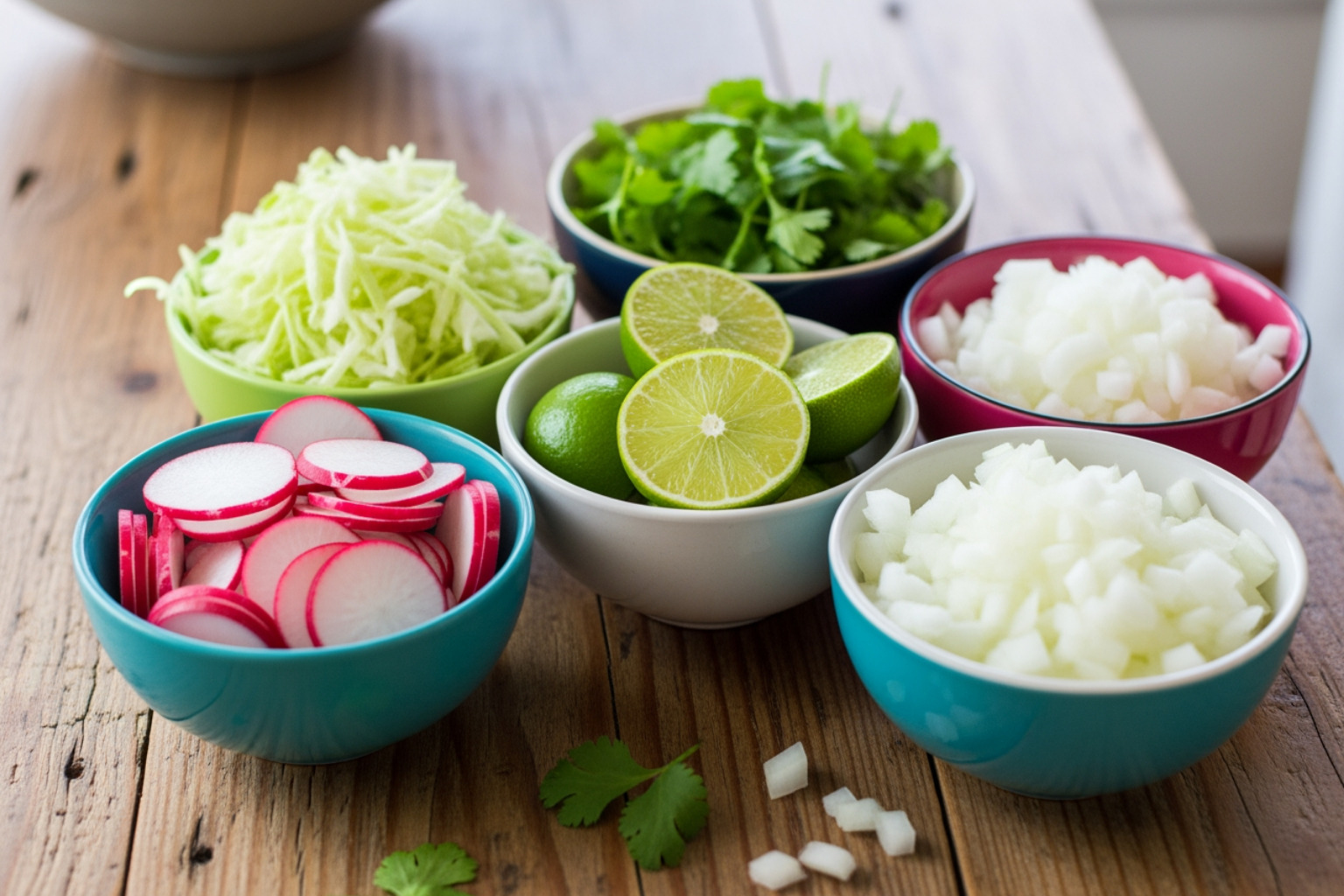
The true magic of pozole is in the vibrant array of garnishes that transform each bowl into a personalized masterpiece. The toppings are essential, adding crucial texture, freshness, and acidity to balance the rich stew. A collection of small bowls, each filled with a condiment, allows every eater to customize their experience.
Classic Toppings for Your Pozole
When setting out a pozole spread, include a generous selection of these traditional favorites:
- Shredded Cabbage or Lettuce: Provides a crisp, refreshing crunch. To prevent browning, toss shredded cabbage in lime juice.
- Sliced Radishes: Adds a peppery bite and vibrant color.
- Diced White Onion: Offers a sharp, pungent flavor.
- Dried Mexican Oregano: Crumbled over the top, it adds an authentic, citrusy herbal note distinct from Mediterranean oregano.
- Lime Wedges: A non-negotiable squeeze of lime cuts through the richness and enlivens the flavors.
- Tostadas: Crispy corn tortillas for scooping or crumbling into the soup for texture.
- Chicharrón: Fried pork rinds for a salty, rich crunch.
- Avocado: Creamy slices add a cool, buttery contrast.
- Salsa: A dollop of your favorite salsa adds extra flavor and heat.
- Cilantro: Freshly chopped for an herbaceous lift.
These garnishes are integral to the pozole experience, allowing each person to tailor their bowl to their exact preference.
Modern Twists and Dietary Adaptations
While traditional pozole is often meat-centric, it easily adapts to modern tastes and dietary needs.
- Vegetarian/Vegan Pozole: To make pozole vegetarian, replace the meat with hearty beans (like pinto or black beans) and use vegetable stock. For a vegan option, use a rich mushroom broth and sautéed mushrooms to mimic the umami depth of meat. The Catskill Animal Sanctuary offers a recipe for a vegetarian version. We’ve even seen innovative takes like a vegetarian ramen pozole with an esquites-inspired corn broth at a Manhattan pop-up.
- Queso Fresco and Crema: For those who enjoy dairy, a sprinkle of crumbly queso fresco or a drizzle of Mexican crema can add a cool, creamy element.
- “Cheater” Versions: For busy weeknights, use pre-cooked pork or chicken (like leftover smoked pork butt) to significantly cut down on cooking time. Some even use a ready-made red chile sauce in place of preparing dried chiles.
Sourcing Ingredients and Enjoying Pozole in NYC
For those of us in the greater New York area, including Manhattan, Brooklyn, Hudson Valley, Westchester, New Paltz, and Philadelphia, accessing authentic ingredients for pozole and experiencing the dish is easier than ever. Edible Manhattan celebrates local culinary trends, and pozole is a star on our regional food scene.
Sourcing Authentic Ingredients:
Dried chiles (guajillo, ancho), fresh tomatillos, and Mexican oregano are readily available at Mexican markets throughout our communities, as well as in the international aisles of larger supermarkets. When selecting dried chiles, look for ones that are soft and pliable. For hominy, dried is best and can be found at Mexican markets or online, while canned hominy is available in most grocery stores.
Enjoying Pozole in Our Local Communities:
Our regions boast a fantastic array of Mexican restaurants and events that celebrate pozole:
- New York City (Manhattan & Brooklyn):
- New York City is home to diverse Mexican culinary offerings. Many restaurants specializing in regional Mexican food feature pozole as a special or a staple.
- We’ve seen exciting pop-ups, like La Newyorkina’s pozole pop-up in Manhattan, which offered various regional styles and innovative vegetarian options.
- Events like “Bowl of ‘Zole” in Brooklyn also celebrate pozole and mezcal, showcasing its festive appeal.
- Hudson Valley & New Paltz:
- In the Hudson Valley and New Paltz, you can often find traditional pozole at local favorites like Los Jalapenos in New Paltz.
- Westchester:
- In Westchester, spots like Taqueria La Picardia in Port Chester are great places to seek out hearty pozole.
- Philadelphia:
- For those in Philadelphia, restaurants like El Fuerte del Loreto contribute to the local Mexican food scene, and we encourage you to explore their menus for authentic pozole offerings.
- Ordering Online: For those who prefer to enjoy pozole at home without the extensive cooking, services like Goldbelly allow you to order Mexican pozole stew from renowned restaurants, delivering this comfort food right to your doorstep.
Whether you’re shopping for ingredients at a local market or dining out, our diverse regions offer ample opportunities to savor the rich flavors and cultural significance of pozole.
Frequently Asked Questions about Pozole
We often get asked a lot about pozole, especially regarding its unique ingredients and preparation. Here are some of the most common questions we hear, answered with our expert knowledge:
What is the difference between hominy and regular corn?
The key difference is nixtamalization. Hominy is made from dried corn kernels that have been soaked in an alkaline solution. This process removes the tough outer hull, puffs up the kernel, and gives it a unique, earthy, and slightly chewy texture that is distinct from regular corn. It also makes the corn’s nutrients, particularly niacin, more bioavailable.
Essentially, all hominy is corn, but not all corn is hominy. It’s this special preparation that makes hominy the irreplaceable backbone of authentic pozole.
Can I make pozole in a slow cooker or Instant Pot?
Absolutely! Modern kitchen appliances are great for making pozole.
- Slow Cooker: For a slow cooker, we recommend browning your pork first. Then, combine all ingredients and cook on low for 6-8 hours or on high for 3-4 hours, until the meat is tender.
- Instant Pot (Pressure Cooker): An Instant Pot drastically reduces cooking time. Use the sauté function to brown the meat, then add the remaining ingredients and pressure cook on high for about 30-45 minutes for pork, or 15-20 minutes for chicken. You may still need to prepare your chile sauce separately.
How should I store and reheat leftover pozole?
Pozole often tastes even better the next day. Proper storage is key.
- Refrigeration: Once cooled, store pozole in an airtight container in the refrigerator for 4-5 days. Always store fresh garnishes separately to keep them crisp.
- Freezing: Pozole freezes exceptionally well. Transfer cooled stew into freezer-safe containers and freeze for up to 3 months. Do not freeze with fresh garnishes.
- Reheating: Reheat on the stovetop over medium heat until simmering. Since pozole can thicken as it sits, you may need to add a splash of extra broth or water to achieve your desired consistency.
Conclusion
From its ancient, ceremonial roots in Mesoamerica to its modern-day status as a beloved Mexican comfort food, pozole is more than just a stew—it’s a rich mix of history, culture, and flavor. We’ve explored its core ingredients, dug into the vibrant regional variations of rojo, verde, and blanco, and found how the art of garnishing transforms a simple bowl into a personalized feast.
Making pozole at home is a culinary journey that connects us to centuries of tradition, offering a dish that is both deeply satisfying and endlessly customizable. Whether you’re simmering a pot for a festive holiday gathering or a quiet weeknight meal, the joy of sharing pozole with loved ones is an experience that truly nourishes the soul.
We hope this guide inspires you to try your hand at making this celebrated Mexican stew. As champions of local food culture, we at Edible Manhattan believe that understanding and appreciating dishes like pozole enriches our lives and deepens our connection to the diverse culinary landscape around us. So gather your ingredients, invite your friends and family, and savor the communal warmth of a homemade bowl of pozole.
Explore more of NYC’s vibrant restaurant scene
For more culinary adventures, check out our other recipes:
