

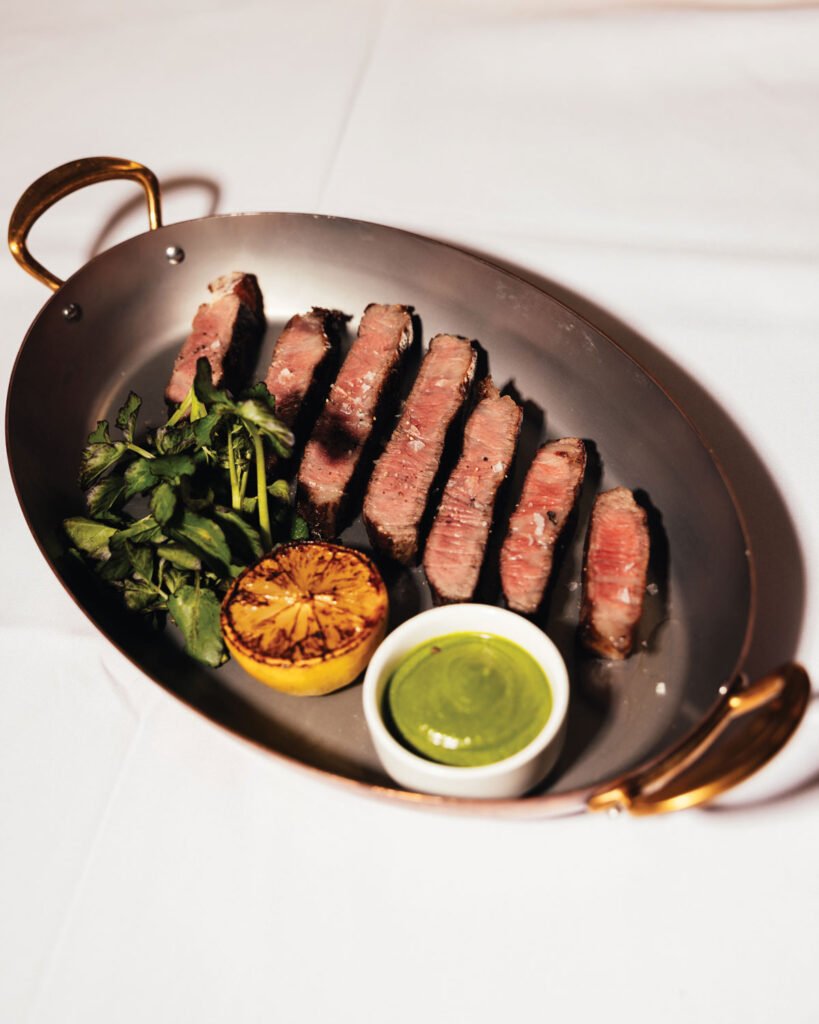
Beneath a monumental, cascading crystal chandelier in the Grand Salon at New York’s Baccarat Hotel, diners slice into Executive Chef Ashfer Biju’s vision of the perfect steak frites.
Biju gave scrupulous consideration to how this beloved staple could earn its place on the menu at Baccarat, where two-Michelin-starred chef Gabriel Kreuther is culinary director. “We wanted to avoid being ‘ordinary,’” Biju says. His decision: a 10-ounce Wagyu strip that was optimally lean, with an impeccable balance of marbling and flavor. Departing from the norm of heavy sauces, Biju serves it with a light herb dressing—acid and spice—to complement the marbling. He’s sourcing this deservingly exceptional côte de boeuf from Australia.
Known for his innovative, intellectual, and worldly culinary style, Biju says an Australian Wagyu in a classic French entrée “elevates the offering” and “raises curiosity as to why we would use such a special product in a simple, familiar dish—but that is Baccarat.”
Biju isn’t alone in looking to Australia to scale up a steak dish. The outback has proven itself as a source for beef with great flavor, sustainability, and safety standards, leading chefs from Biju to Daniel Boulud to choose it. “We are seeing Australian Wagyu and meats more on the menus than ever before,” Biju says. “Chefs are choosing it for the high quality that it offers.”
Opting for Australia
At Boulud’s steakhouse La Tête d’Or near Madison Square Park, he is sourcing Australian Wagyu for his citrus-fed striploin. And across town at the 10-table West Village steakhouse The Eighty Six, chef Michael Vignola chooses an Australian cut for his 86 Reserve menu—a grass-fed Wagyu vaca vieja. Some chefs are opting in because Australian cuts deliver exceptional richness and consistency at a price point that keeps menus accessible while giving chefs room to play, as with Vignola’s 86 Cheesesteak. The dish blends Alpine cheese and pickled chile pepper atop a 72-hour ribeye on house-baked sesame bread, at $39.
Both dishes feature Westholme—a premium Wagyu brand from Australia, descended from some of the world’s most prized Wagyu bloodlines. Today, they are raised across millions of acres of Queensland and Northern Territory open pasture.
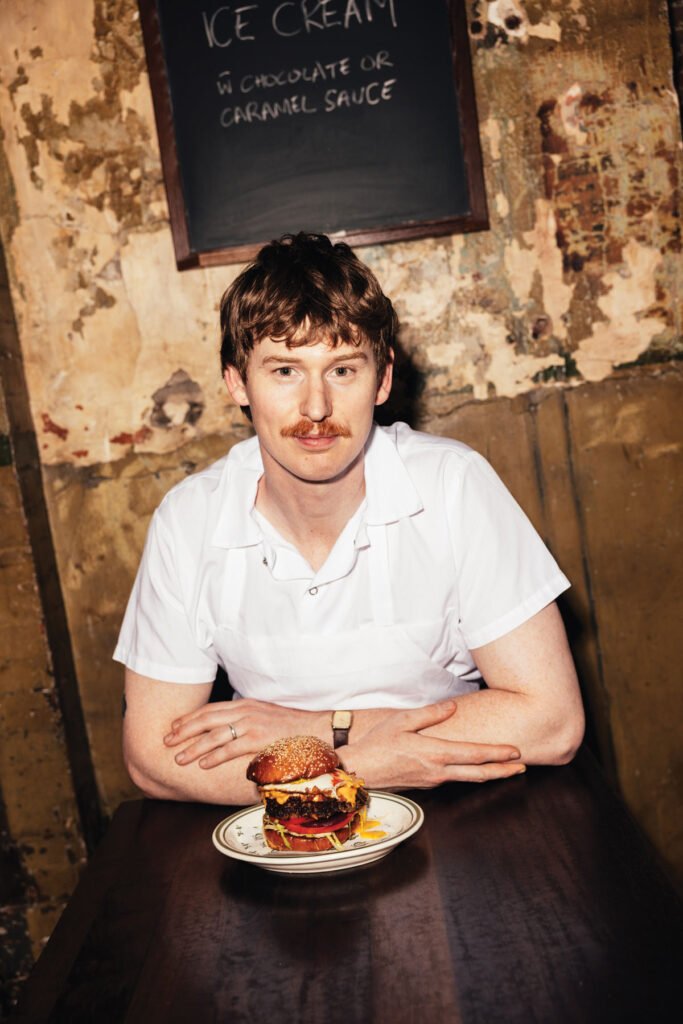
This rising popularity of Australian beef is no mystery to chef Simon Drolz-Cox. He grew up in Australia and cooked in Sydney’s food scene before Tuxedo Hospitality Executive Chef Paul Donnelly recruited him to be head chef at traditional Aussie pub Old Mates in New York. Drolz-Cox has helmed that kitchen since it opened in 2024.
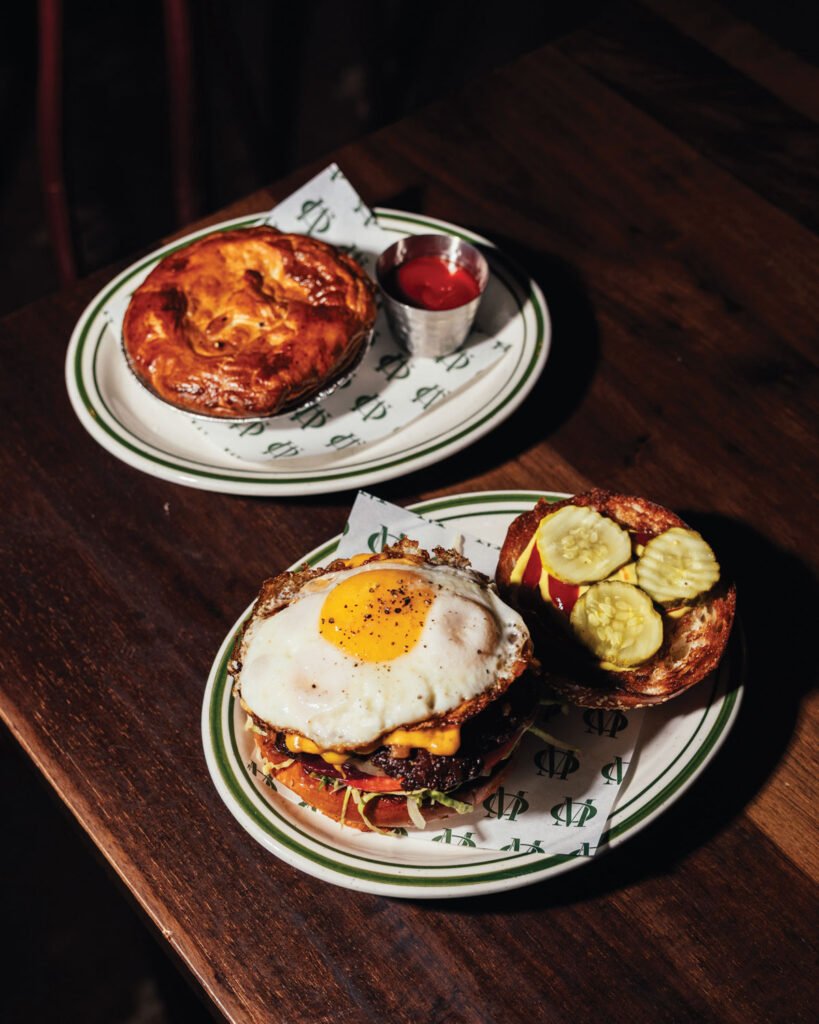
Here, Drolz-Cox chooses Australian Wagyu for his slowcooked beef brisket pie—the ultimate nostalgia dish for Aussie patrons. Producers like Westholme are “putting Australian products at the forefront in New York City, without a doubt,” he says.
“Australia has such a unique flora and fauna that has added a distinct quality to our meats, our produce, and our livestock,” he says of the country’s expansive pastureland ecology. But the quality of the product is also thanks to livestock management. Drolz-Cox points to practices like “the constant pasture moving and clearing and grazing and how they’re able to maintain the land and keep raising the same huge amount of livestock over this healthy landscape.” On the table, this translates to feel and flavor, including lean protein and sumptuous minerality.
Donnelly, who oversees Soso’s, Chinese Tuxedo, The Tyger, and Old Mates, was born in Scotland, but his culinary career started in Sydney as well. “I’ve been in New York for the last decade, and have been fortunate to have access to the full spectrum of what we have available in this market,” he says. “Australian product consistently stands apart.” Beyond being grass-fed, pasture-raised, and -finished in the outback, he says, “it’s honest. For a chef, it’s kind of what you’re looking for.”
A Better Bite
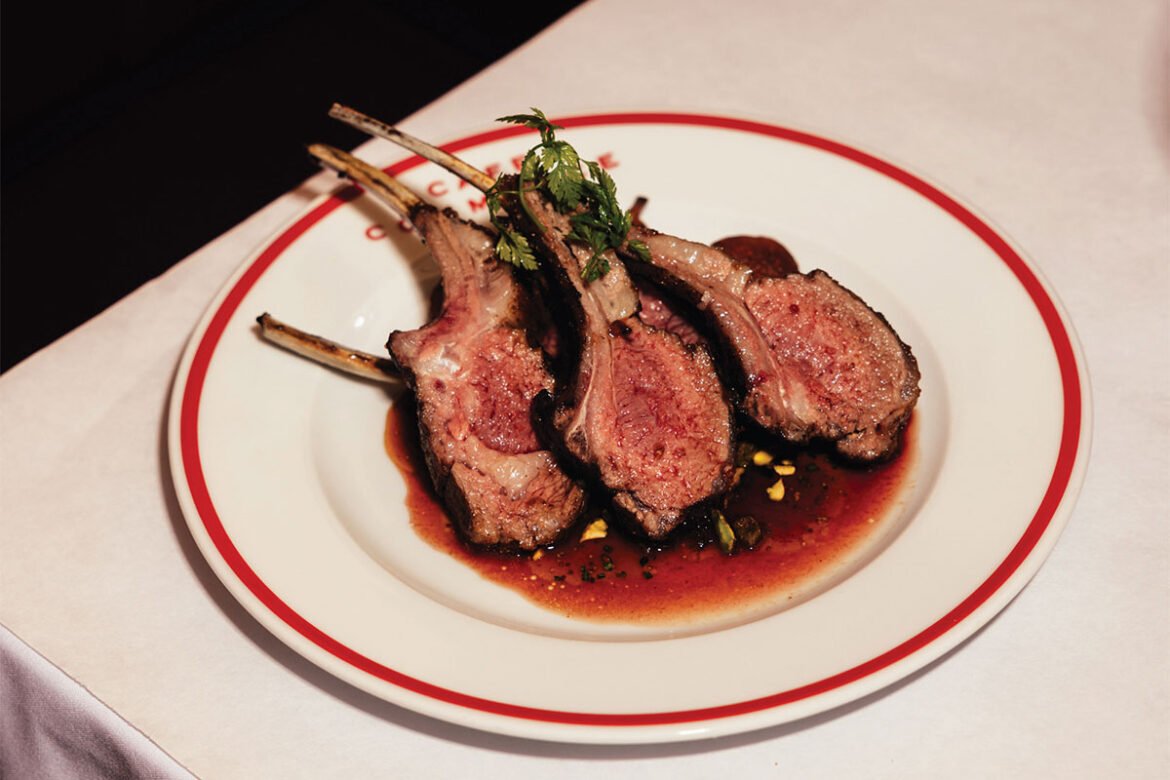
Australia’s lamb is also a stand-out. “I find Australian lamb a less gamey, better bite,” Donnelly says.
Drolz-Cox agrees: “In Australia, it’s our iconic protein,” he says of lamb. In the U.S., however, he says domestic lamb tends to be “far more gamey and less mineral” than its Australian counterpart. At Old Mates, he uses Gundagai Lamb, ranked according to the producer’s proprietary GLQ grading system by its marbling profile, which chefs are calling “Wagyu-style lamb.”
The Gundagai lamb strip loin is relatively new on the scene. Drolz-Cox was eager to bring it into rotation. “I’ve been super lucky to get access to this product before it’s actually [on the market] in New York,” he says. “It’s just the most beautiful, tender cut of meat. We’re serving that with a lovely herb sauce, marinated peppers—all these beautiful summery things.”
Greener Pastures
Sustainability is another draw to Australian meat products: The country’s red meat industry has spent two decades assessing—and then addressing—its environmental impact. In that time, greenhouse gas emissions from its herds are down 70.2%. The industry has also reduced its water requirements by more than two thirds since the mid-1980s, all while increasing production.
On the Upper East Side, Chef Harold Moore is cooking with Australian lamb at Café Commerce for precisely those reasons. He notes that customers are increasingly interested in the supply chain and the sustainability, ethics, and safety standards of what they eat, and so he is diligent and conscientious about the beef and lamb he sources at Commerce.
“It’s not the customer’s job to spend every meal wondering where their steak comes from—that’s our job as chefs,” Moore says. “We’re responsible for…making sure we’re serving something we can stand behind.” Choosing cuts that are high-quality and responsibly sourced, he adds, goes beyond serving a delicious dish to “delivering a better dining experience.”
Cooking Aussie Beef & Lamb at Home
You don’t have to dine out to try a taste of meat from the outback. Aussie Beef & Lamb’s online store locator lets you type in your zip code and find the closest retailer carrying products from Down Under. It might just be in the meat aisle at your closest supermarket.
Donnelly is a self-described lamb chop loyalist: “Grab that bone off a smoking-hot grill. You don’t really need a knife and fork for it, in my eyes,” he says. Lower fat content means lean meat cooks faster than grain-finished, so the move is to pull it early and let it rest.
Donnelly’s lamb chop—a favorite at family cook-outs—is easy but elegant. “They think I’m some sort of superhero,” he says, “but it’s super simple.” His method: Olive oil, chopped herbs—tarragon, thyme, rosemary, oregano, a little chili flake—garlic and a splash of maple syrup. He lets the chop marinate for five or six hours.
“Then put it on your average backyard barbecue, grill them for about two minutes on each side—nice and medium rare.” The maple syrup caramelizes, the meat develops a handsome char, and he serves the final product over arugula with a generous squeeze of fresh lemon.
Drolz-Cox’s wisdom for home cooks is as simple as having a hunger to learn. His go-to butcher, Pino’s Prime Meat Market in SoHo, carries Fletcher’s lamb, another premium Aussie brand, alongside Australian beef. “Go to your local butcher, and ask questions,” Drolz-Cox says. “Have a desire to learn.”
Bring the taste of Australia home. Visit aussiebeefandlamb.com for recipes and retailer information, and follow @aussiebeeflamb for more culinary inspiration.
Where to Eat Australian Beef & Lamb in NYC
From elevated French classics and inventive steakhouse fare to nostalgic Aussie pub pies and perfectly grilled lamb, these New York City restaurants bring the exceptional flavor of Australian beef and lamb to the table.
American Cut — 363 Greenwich Street
Baccarat Hotel New York — 28 W 53rd Street
Bazaar Meat — 225 Liberty Street
Café Commerce — 964 Lexington Avenue
Gallaghers Steakhouse — 228 W 52nd Street
Keens Steakhouse — 72 W 36th Street
La Tête d’Or — 318 Park Avenue South
Old Mates — 170 John Street
Soso’s — 191 Centre Street
The Eighty Six — 128 Avenue B
Txula Steak — 515 W 30th Street


